Planning a bathroom renovation often starts with one practical question: how long will it take? For homeowners considering bathroom renovations in Canberra, the timeframe can affect trade schedules, material deliveries and how long the household is without a functioning bathroom.
Caliber Kitchens helps plan renovations around the scope of the work, availability of materials and coordination of trades. The condition of the existing bathroom, changes to plumbing or structure and the choice of fixtures and finishes can all affect the overall schedule.
Knowing what happens at each stage makes it easier to understand the expected timeframe and identify potential causes of delays. Careful planning and early decisions can help keep the renovation organised from the initial design through to final handover.
What Is the Typical Bathroom Renovation Timeline?

A typical bathroom renovation takes around 3 to 5 weeks of on-site work once the design, materials and trades are organised. From the initial design discussion to final handover, the complete process can take 6 to 10 weeks, depending on the room size, design complexity, material lead times and condition of the existing bathroom.
Each stage needs to be completed in sequence, so delays with materials, unexpected repairs or trade availability can affect the overall schedule. Planning each stage helps keep the renovation on track and minimise disruption.
1-2 Weeks: Planning
Before work begins, the layout, fixtures and finishes need to be finalised and ordered. This includes items such as tiles, vanity, toilet, shower fittings, bath, lighting and ventilation.
The timeframe can increase when custom products are selected or materials have longer lead times. Confirming availability early helps ensure everything is ready when construction starts.
1 Week: Demolition and Rough-In
Demolition of a standard bathroom usually takes 2 to 4 days, including the removal of existing tiles, fixtures and fittings. Once the room is cleared, plumbers and electricians complete the rough-in for pipes, drainage and wiring.
This stage can take longer if demolition reveals issues like rotten subfloors, outdated wiring or non-compliant plumbing that require additional work.
1-2 Weeks: Waterproofing, Tiling and Fit-Off
Waterproofing generally takes 2 to 3 days, including preparation and the required drying or curing time. Tiling can then take around 4 to 7 days, depending on the room size and tile design.
Once tiling is complete, the bath, vanity, toilet, shower screen, mirrors, lighting and accessories are installed. Fit-off usually takes another 3 to 5 days, depending on the fixtures and any custom elements involved.
2-5 Days: Final Checks
The final stage includes touch-ups, silicone sealing, plumbing and electrical connections, testing and cleaning. This takes around 2 to 3 days.
Required inspections or compliance checks may add further time. The bathroom is ready for everyday use once the work is complete and all fixtures, services and finishes have been properly checked.
What Happens at Each Stage of a Bathroom Renovation?
A bathroom renovation follows a set sequence from planning and demolition through to waterproofing, tiling and final fit-off. Each stage prepares the space for the next, so completing the work in the correct order helps prevent delays and rework.
The exact process varies depending on the size, layout and condition of the bathroom, but most renovations follow the same basic stages from initial planning to final handover.
Planning and Approvals
The renovation begins with measuring the space, confirming the layout and selecting fixtures and finishes such as the bath, shower, toilet, vanity and tiles. Any structural, plumbing or electrical changes should also be identified at this stage.
Plans are reviewed for compliance and any required approvals are arranged before construction begins. The renovation schedule, trade sequence and site access can then be confirmed.
Homeowners should review the applicable ACT building and renovation requirements early, as the project may involve approvals, licensed professionals, inspections or completion documentation.
Demolition and Rough-In
Once planning is complete, the existing fixtures, tiles, cabinetry and other finishes are removed. The space is then inspected for issues like damaged flooring, framing or existing services.
In older Canberra properties, the renovation team should also assess potential asbestos risks before residential renovations before demolition disturbs existing building materials.
Plumbers and electricians complete the rough-in for the new layout, including any required changes to pipes, drainage and wiring. Wall and ceiling linings are repaired or replaced so the room is ready for waterproofing.
Waterproofing and Tiling
Waterproofing is applied to the required wet areas in accordance with applicable Australian requirements. The membrane must be given adequate time to dry or cure before tiling begins.
Homeowners can learn more about applicable bathroom waterproofing requirements, including preparation, membrane installation and curing times before tiling begins.
Tiles are then installed according to the planned layout, including floors, walls, grout and caulking. Careful set-out is important for neat finishes and correct falls towards floor wastes.
Fit-Off and Handover
Once the main finishes are complete, the vanity, toilet, bath, shower screen, taps, mirrors, lighting and accessories are installed. Plumbing and electrical connections are completed and tested.
Final checks identify any minor defects or finishing work that needs attention. Once the required checks, cleaning and any inspections are complete, the bathroom can be handed over for normal use.
How Long Does a Small Bathroom Renovation Take?
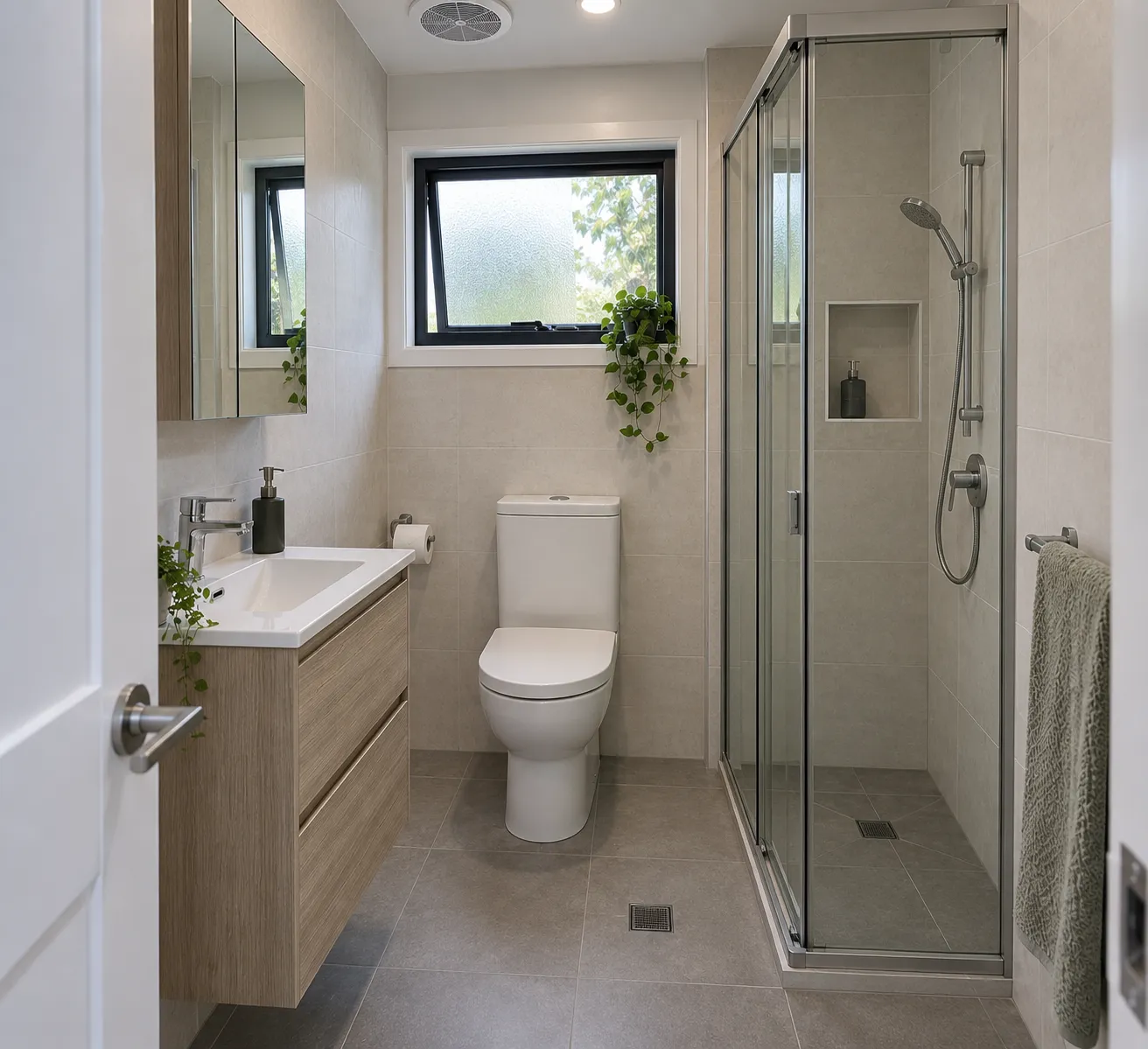
A small bathroom renovation typically takes around 2 to 4 weeks of on-site work when the existing layout is retained and there are no major structural, plumbing or electrical issues. Straightforward projects with readily available fixtures and finishes may be completed sooner, while more involved renovations can take longer.
The main factors affecting the timeframe are the amount of demolition, changes to plumbing or electrical services, waterproofing and tiling requirements and the availability of fixtures and custom products. Moving the toilet, shower or vanity can add extra work even in a compact bathroom.
Unexpected issues can also extend the schedule once walls and floors are opened up. Water damage, rotten timber, damaged plumbing or outdated wiring may need to be repaired before the renovation can continue, so allowing some flexibility in the timeframe is sensible.
How Long Does a Full Bathroom Renovation Take?
A full bathroom renovation typically takes around 4 to 6 weeks of on-site work, although larger or more complex projects can take longer. This timeframe covers demolition, plumbing and electrical work, waterproofing, tiling, installation and final fit-off.
The timeframe can increase when the layout is changed, structural work is required or custom fixtures and finishes have extended lead times. Moving plumbing, altering walls or installing custom vanities and shower screens can add extra work and waiting time.
The condition of the existing bathroom can also affect the schedule. Hidden water damage, damaged flooring, outdated wiring or plumbing issues may need to be repaired before the renovation can continue, making some flexibility in the timeframe important.
Does the Size of the Bathroom Affect the Renovation Time?
Yes, the size of a bathroom can affect how long a renovation takes, particularly when there is more floor and wall area to demolish, prepare, waterproof and tile. Larger bathrooms may also include more fixtures, which can add time to installation and fit-off.
However, size is not always the main factor. A small bathroom with relocated plumbing, structural changes, intricate tiling or custom fixtures can take longer than a larger bathroom with a straightforward layout. The condition of the existing space and availability of materials can also affect the schedule.
For this reason, the renovation timeframe should be based on the overall scope of work rather than floor area alone. Retaining the existing layout, choosing readily available products and finalising selections early can help keep the project on schedule regardless of bathroom size.
What Factors Can Extend the Renovation Timeline?
Several factors can extend a bathroom renovation beyond the original schedule. The most common include unexpected repairs, changes to the design, material delays and issues with approvals or site access.
- Unexpected repairs: Water damage, rotten flooring, outdated wiring or damaged plumbing may only become visible after demolition. These issues need to be addressed before the renovation can continue and may add several days or longer to the schedule.
- Design and material changes: Changing the layout, selecting intricate finishes or adding custom fixtures can increase the amount of work or introduce longer lead times. Late selections and products on back order can also create delays between trades.
- Approvals and site access: Required approvals and inspections may affect the schedule if they are not available when needed. Apartments and other properties with restricted work hours, limited access or strata requirements may also require additional planning.
Allowing some flexibility in the schedule and finalising key decisions before work begins can help reduce avoidable delays.
How to Keep a Bathroom Renovation on Schedule
Keeping a bathroom renovation on schedule starts with finalising decisions, having materials ready and coordinating trades before work begins. A clear plan helps prevent common delays caused by late changes, missing products or gaps between trades.
1. Finalise the Design and Selections
Confirm the layout, plumbing and electrical positions, fixtures and finishes before construction starts. Product availability and lead times should also be checked for custom vanities, stone benchtops and made-to-measure shower screens.
Identifying common bathroom layout mistakes before construction begins can help prevent late changes to fixture positions, clearances, storage and plumbing.
2. Order Materials Early
Having materials ready when they are needed helps prevent trades from sitting idle. Tiles, fixtures, fittings and other standard products should be ordered ahead of demolition, while custom items should be scheduled around their expected manufacturing and delivery dates.
3. Coordinate Trades
Each trade needs to work in the correct sequence, from demolition and rough-in through waterproofing, tiling and fit-off. Booking trades and required inspections in advance can reduce gaps between stages and keep the renovation moving.
4. Allow for Unexpected Issues
Even a well-planned renovation can uncover problems once walls and floors are opened. Allowing some contingency for repairs, material delays or minor changes provides flexibility without immediately disrupting the entire schedule.
When Can the Bathroom Be Used Again After Renovation?
A bathroom is ready to use once installation work is complete, required materials have cured, plumbing and electrical systems have been tested and any necessary inspections have been completed. The exact timing depends on the products used and the type of renovation, so the bathroom may need additional time after the main construction work has finished.
Before normal use resumes, the following should be completed:
- Allow grout, silicone and adhesives to cure: Fresh grout, silicone and adhesives need to cure for the period specified by the manufacturer. This is important in showers, around baths and in other areas exposed to regular moisture.
- Complete final plumbing and electrical checks: Taps, toilets, drainage, shower fittings, lighting, exhaust fans and other services should be tested to confirm they are operating correctly and checked for leaks or other issues.
- Complete required inspections: Where inspections, testing or compliance documentation is required, these should be finalised before the bathroom is treated as fully complete.
Following the contractor's handover instructions and manufacturer's curing recommendations provides the clearest indication of when normal bathroom use can resume. Allowing the required curing time helps protect new finishes and reduces the risk of damage from premature use.
A bathroom renovation can take anywhere from a few weeks to around two or three months depending on the size and complexity of the project, the condition of the existing space, material availability and the number of trades involved. From demolition and rough-in through waterproofing, tiling, fit-off and final checks, each stage needs to be completed in the right sequence to keep the project moving.
Caliber Kitchens can help coordinate the planning, materials and trades required for a smooth renovation process. Finalising selections early, allowing realistic time for curing and inspections and building some flexibility into the schedule can reduce avoidable delays and help the finished bathroom meet the expected standards for quality, functionality and durability.