Bathroom waterproofing is more than a finishing detail; it is an essential part of protecting a renovation from hidden leaks, moisture damage and costly repairs. When installed correctly, it helps protect floors, walls and structural elements from water penetration. For bathroom renovations in Canberra, Caliber Kitchens recognises that proper waterproofing is an important part of creating a durable and well-coordinated bathroom.
Homeowners should understand where waterproofing is required, which materials may be suitable, who should carry out the work and how the system should be installed. Knowing what to expect also makes it easier to identify potential issues before the membrane is concealed beneath tiles and other finishes.
This guide explains the key waterproofing requirements, including preparation, installation, materials and curing times. It also covers how homeowners can check the completed work and understand the potential consequences of incorrect waterproofing.
What Waterproofing Requirements Apply to Bathrooms?
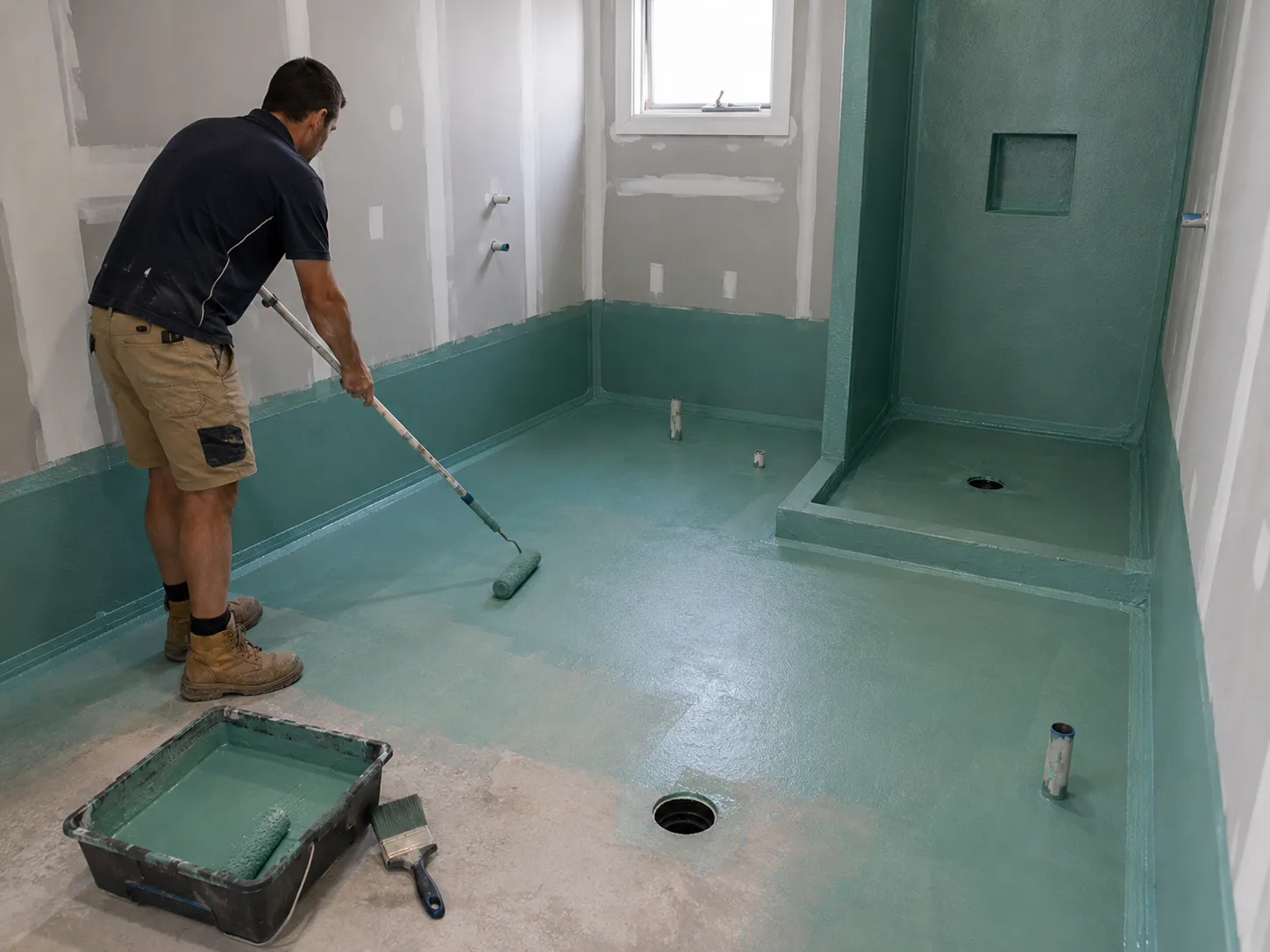
Bathrooms are treated as wet areas and therefore require appropriate waterproofing to protect the building from water penetration. The applicable requirements cover where waterproofing is needed, how wet-area junctions and penetrations are detailed, which products can be used and how the system should be installed.
The requirements are determined by the bathroom's design and construction and should be considered alongside the applicable NCC provisions, AS 3740 Waterproofing of domestic wet areas, relevant state or territory requirements and the waterproofing manufacturer's instructions.
Waterproof the Required Areas
The extent of waterproofing depends on the bathroom layout and the level of water exposure. Key areas may include:
- Shower floors and required areas outside the shower
- Shower walls to the required height
- Bathroom floors where required by the construction and wet-area design
- Walls around baths, where a shower is installed
- Areas around floor wastes, pipes, mixers and other penetrations
The exact coverage should be determined according to the bathroom configuration and applicable requirements rather than assuming every bathroom has identical waterproofing needs.
Provide Correct Falls and Junction Details
Waterproofing needs to work with effective drainage. Shower floors should have suitable falls towards the waste so water does not pond, while wall-to-floor junctions, corners and penetrations need appropriate detailing to maintain a continuous barrier.
Hobless and open showers require careful planning, as the walk-in shower design can influence drainage, floor falls and how far waterproofing needs to extend beyond the immediate shower area.
Use Compatible Products
A waterproofing system can include:
- Waterproofing membranes
- Compatible primers
- Reinforcing tapes and bond breakers
- Sealants
- Drain and penetration accessories
Products should be suitable for the substrate and intended wet-area application. The manufacturer's requirements for application thickness, coats, drying and curing times should also be followed.
Follow Applicable Standards
Bathroom waterproofing should comply with the applicable building requirements, including relevant provisions of the National Construction Code and AS 3740.
These requirements address matters such as waterproofing locations, wet-area detailing and the treatment of vulnerable areas. Requirements can vary according to the bathroom design and construction, so homeowners should confirm the applicable provisions with their builder or qualified waterproofing professional.
Use an Appropriately Qualified Professional
Waterproofing should be carried out or certified by a qualified person where required by local regulations. Homeowners should confirm that the contractor meets the licensing or qualification requirements applicable in the ACT and understands the relevant wet-area requirements.
Using an appropriately qualified professional also helps ensure that the membrane, junctions, penetrations and associated products are installed as part of a coordinated system.
Where Is Bathroom Waterproofing Required?
Waterproofing is required in areas exposed to regular water, splashing or moisture. The extent depends on the bathroom layout, fixtures and floor construction, with showers typically requiring the greatest level of protection.
Shower Areas
Shower floors and walls require continuous waterproofing to help prevent water from reaching wall cavities and the underlying structure. The required wall coverage and height depend on the shower configuration and applicable requirements.
Bathroom Floors
Floor waterproofing requirements can vary according to the bathroom's construction and location. Consideration may be required where the bathroom is above another room or constructed over a timber floor.
Baths
Walls around baths need appropriate waterproofing and sealing, particularly where a shower is installed above the bath. Edges and adjoining walls should also be detailed to prevent water from entering the surrounding structure.
Splash Areas
Areas around basins, baths and shower entrances may experience regular splashing. Appropriate moisture protection should be provided at the level of water exposure and the requirements applying to the bathroom.
Junctions
Wall-to-floor junctions, corners and changes in direction require careful detailing so the waterproofing forms a continuous barrier without gaps or weak points.
Penetrations
Floor wastes, pipes, taps and other penetrations need to be properly incorporated into the waterproofing system. Poorly detailed penetrations can provide pathways for water to reach the underlying structure.
The bathroom's design determines the extent of waterproofing required. A walk-in shower, for example, may require protection beyond the immediate shower floor, while a shower-over-bath arrangement requires appropriate waterproofing around the bath and shower area.
Who Can Carry Out Bathroom Waterproofing?
Bathroom waterproofing should be treated as specialist building work rather than a straightforward DIY task. Poor installation can allow moisture into walls, floors and other parts of the home, resulting in expensive damage.
For most bathroom renovations, homeowners should engage an appropriately qualified waterproofing professional or builder and confirm who is responsible for completing and documenting the work.
Homeowners should:
- Check credentials: Confirm that the contractor holds the licence or qualification required for the waterproofing work in the ACT. When engaging builders, plumbers or other regulated construction practitioners as part of your renovation, you should check their licence and insurance before work begins.
- Confirm responsibility: Establish whether the renovation company is completing the waterproofing itself or engaging a qualified waterproofer.
- Verify the system: Ask which membrane and associated products will be used and whether they are suitable for the substrate and bathroom design.
- Confirm documentation: Ask what certificates, warranties, product information and photographs will be provided.
- Avoid relying on DIY: Waterproofing can be subject to licensing and compliance requirements, and incorrect installation can create problems with warranties, insurance and future property inspections.
Confirming these details before work begins gives homeowners greater confidence that the waterproofing will be installed and documented appropriately.
What Should Homeowners Do Before Waterproofing?
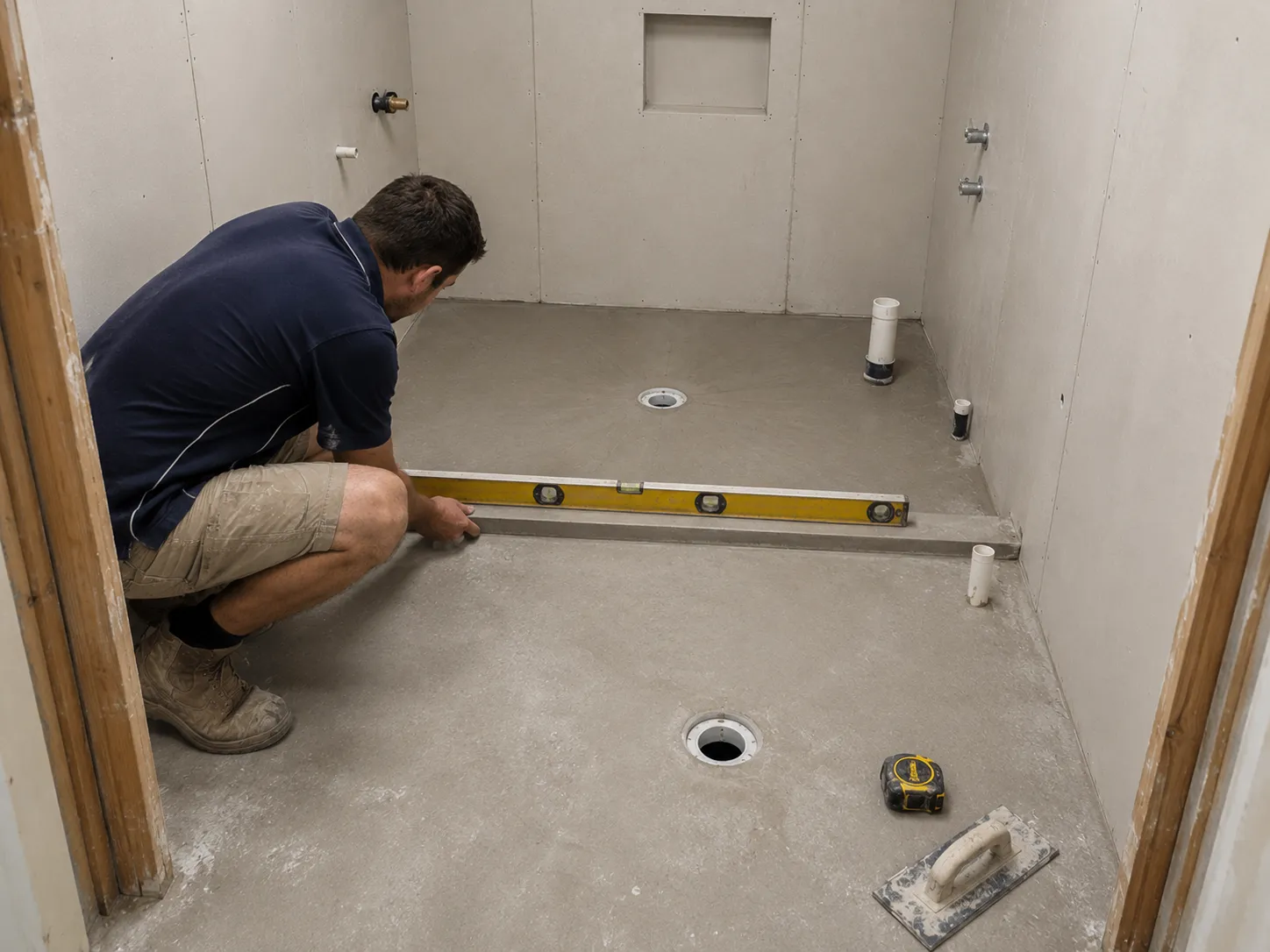
Good preparation helps ensure the waterproofing system can be installed correctly and perform as intended. Before work starts, the bathroom layout, plumbing, drainage and substrates should be ready for the waterproofing stage.
A practical pre-waterproofing checklist includes:
- Finalise the layout: Confirm the positions of the shower, bath, basin, toilet, floor waste and other fixtures. Changes after waterproofing can damage the membrane.
- Check the substrates: Walls and floors should be stable, clean, dry and suitable for the selected system. Damaged or unsuitable areas should be repaired first.
- Confirm drainage and falls: Shower floors and other relevant areas should be correctly graded towards the waste to prevent water from pooling.
- Choose the waterproofing system: Confirm which membrane and associated products will be used and that they are compatible with the substrate and finishes.
- Confirm responsibility: Establish who will complete and document the waterproofing.
- Allow for curing: Confirm how long the membrane needs to dry and cure before tiling.
- Keep documentation: Request relevant certificates, warranties, product details and photographs of the completed waterproofing.
Addressing these matters early can help prevent delays, membrane damage and costly rework. It also allows plumbing, drainage, substrate preparation and waterproofing to be coordinated before the next stage begins. Addressing other common bathroom renovation mistakes during the planning stage can also help ensure the layout, materials and finishes work together before construction progresses.
How Is a Bathroom Waterproofed?
Bathroom waterproofing is a staged process that creates a continuous barrier beneath or behind finished surfaces. Each stage must be completed correctly before the next begins, with the system installed in accordance with applicable requirements and the manufacturer's instructions.
A typical process involves:
- Prepare the substrate: Walls and floors are checked to ensure they are stable, clean, dry and suitable for the waterproofing system. Damaged areas are repaired or replaced, and relevant floors are graded towards the waste.
- Complete plumbing and penetrations: Pipes, wastes and other services should be positioned before waterproofing begins so the membrane can be properly detailed around them.
- Apply the primer: A compatible primer may be applied to help the membrane bond securely to the substrate.
- Install the membrane: Liquid membranes are applied in the required coats and thickness, while sheet membranes are installed with properly sealed joins. Coverage and heights depend on the bathroom design and applicable requirements.
- Seal critical areas: Corners, wall-to-floor junctions, movement joints, drains, pipes, niches and other penetrations receive the appropriate reinforcement, bond breakers or compatible sealants.
- Allow the membrane to cure: The waterproofing must be left for the manufacturer's specified curing period before further work begins.
- Inspect before tiling: The completed membrane should be checked for gaps, pinholes, damage or incomplete coverage before it is concealed.
This process creates a continuous waterproofing system rather than relying on isolated sealed areas. Correct preparation, application and detailing are essential to prevent water from finding weak points behind the finished bathroom.
What Materials Are Used for Bathroom Waterproofing?
Bathroom waterproofing uses several compatible products that work together to create a continuous moisture barrier. The exact system depends on the substrate, bathroom design and manufacturer's requirements.
Common materials include:
- Membranes: Liquid-applied and sheet membranes provide the primary waterproof barrier.
- Primers: These prepare suitable substrates and help the membrane bond correctly.
- Reinforcement products: Tapes, bond breakers and other reinforcing materials help detail corners, junctions and movement areas.
- Sealants: Compatible sealants help waterproof penetrations and connections between different materials.
- Drain and corner accessories: Products like puddle flanges, drain components and pre-formed corners can help maintain continuity around difficult details.
These products should be selected as a compatible waterproofing system rather than mixed without checking manufacturer recommendations. Following the product instructions is important for performance and compliance.
How Long Does Waterproofing Take Before Tiling?
The time between waterproofing and tiling varies by membrane system, but many bathroom waterproofing products require at least 24 hours before tiling can begin. Some systems may allow earlier tiling, while others require longer curing periods.
The process involves applying the required coats, allowing each coat to dry before the next is applied, then waiting for the completed membrane to cure. Temperature, humidity, ventilation, application thickness and the specific product can all affect the timeframe.
A flood test may also be recommended or required for certain shower designs or wet areas. Where testing is required, it can extend the renovation schedule.
Homeowners should always follow the manufacturer's specified recoat and tiling times rather than relying on a standard timeframe. If conditions are cold, humid or poorly ventilated, additional curing time may be necessary.
How Can Homeowners Check That Waterproofing Has Been Done Properly?
The best time to check bathroom waterproofing is after the membrane has been applied and cured but before it is covered by tiles or other finishes. Homeowners do not need to test the membrane themselves, but they can check its visible condition and confirm that the appropriate documentation is available.
Check the Membrane
Look for continuous coverage without obvious gaps, bare patches, pinholes or damaged areas. Attention should be given to:
- Shower floors and walls
- Wall-to-floor junctions and corners
- Floor wastes, pipes and other penetrations
- Niches, benches and bath surrounds
- Doorways and shower thresholds
The membrane should extend to the areas and heights required for the particular bathroom design. Any visible damage or incomplete areas should be addressed before tiling begins.
Check the Documents
Ask the builder or waterproofer for relevant records, which may include:
- Waterproofing or compliance certificates
- Product and membrane details
- Warranty information
- Photographs of the completed waterproofing
Keeping these records can be useful for future repairs, warranty matters, insurance questions or property inspections.
Confirm Curing
The membrane must be allowed to cure for the period specified by the manufacturer before it is covered. Homeowners should confirm when the waterproofing was completed and when tiling can safely begin.
Inspect Before Tiling
A review of the completed waterproofing before tiling allows the renovation team to identify and correct problems while the membrane remains accessible. Once tiles and other finishes are installed, rectification can become considerably more difficult and expensive.
What Happens If Bathroom Waterproofing Is Done Incorrectly?
Poor bathroom waterproofing can allow water to penetrate behind tiles and into walls, floors and other building elements. Problems may develop and remain hidden until significant damage has occurred.
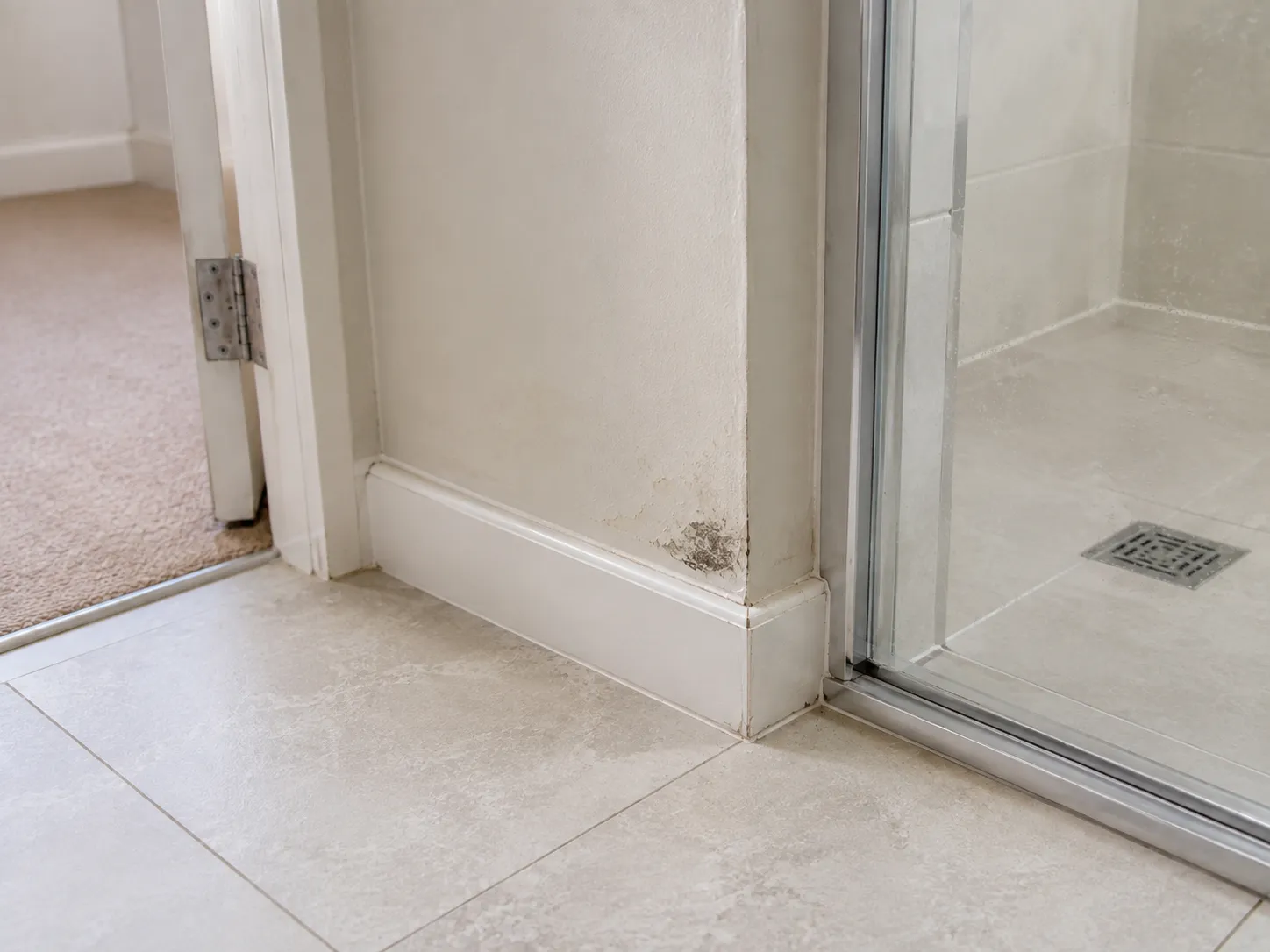
Potential consequences could be the following:
- Hidden water damage: Moisture can reach wall cavities, subfloors and timber framing, causing swelling, deterioration and rot.
- Mould and dampness: Persistent moisture can create conditions for mould and mildew, sometimes accompanied by musty odours or discolouration.
- Tile and grout failures: Water entering the substrate can contribute to loose or cracked tiles, deteriorating grout and failing sealants.
- Damage to adjoining areas: Leaks can spread into neighbouring rooms or ceilings below in bathrooms located on upper levels.
- Safety concerns: Persistent leaks and deteriorating finishes can contribute to slippery surfaces, loose tiles and other hazards.
- Costly repairs: Finding a concealed leak may require tiles, screeds or wall linings to be removed before the waterproofing can be repaired.
- Compliance and insurance issues: Non-compliant work or inadequate documentation can create complications with certification, warranties, insurance claims and future property transactions.
These risks highlight why waterproofing should be completed by an appropriately qualified professional and installed in accordance with applicable requirements and manufacturer specifications. Getting the waterproofing right from the beginning is far less disruptive and costly than repairing concealed water damage later.
Bathroom waterproofing is more than a finishing detail. Understanding where waterproofing is required, choosing compatible materials, preparing the substrate correctly and allowing sufficient curing time all contribute to a reliable wet-area system. Caliber Kitchens understands that careful waterproofing is an important part of a successful bathroom renovation. When waterproofing, drainage and finishes are properly coordinated from the beginning, homeowners can have greater confidence in a bathroom that remains durable, functional and protected for years.