Structural Changes That Improve Everyday Living
Structural renovations are about improving how a home functions on a daily basis, not just updating finishes. By adjusting layouts, opening up connections between rooms and resolving awkward spaces, these changes can make a home easier to move through and more comfortable to live in.
Well planned structural work can improve natural light, enhance flow between key areas and allow rooms to be used more effectively. Whether it is creating better connections between living spaces or reworking areas that no longer suit your lifestyle, the right structural changes can have a lasting impact on how your home feels.
At Caliber Kitchens, we approach structural renovations with everyday use in mind. Each decision is made to support practical living, ensuring the home works well now and remains adaptable for the future.
What Is a Structural Renovation?
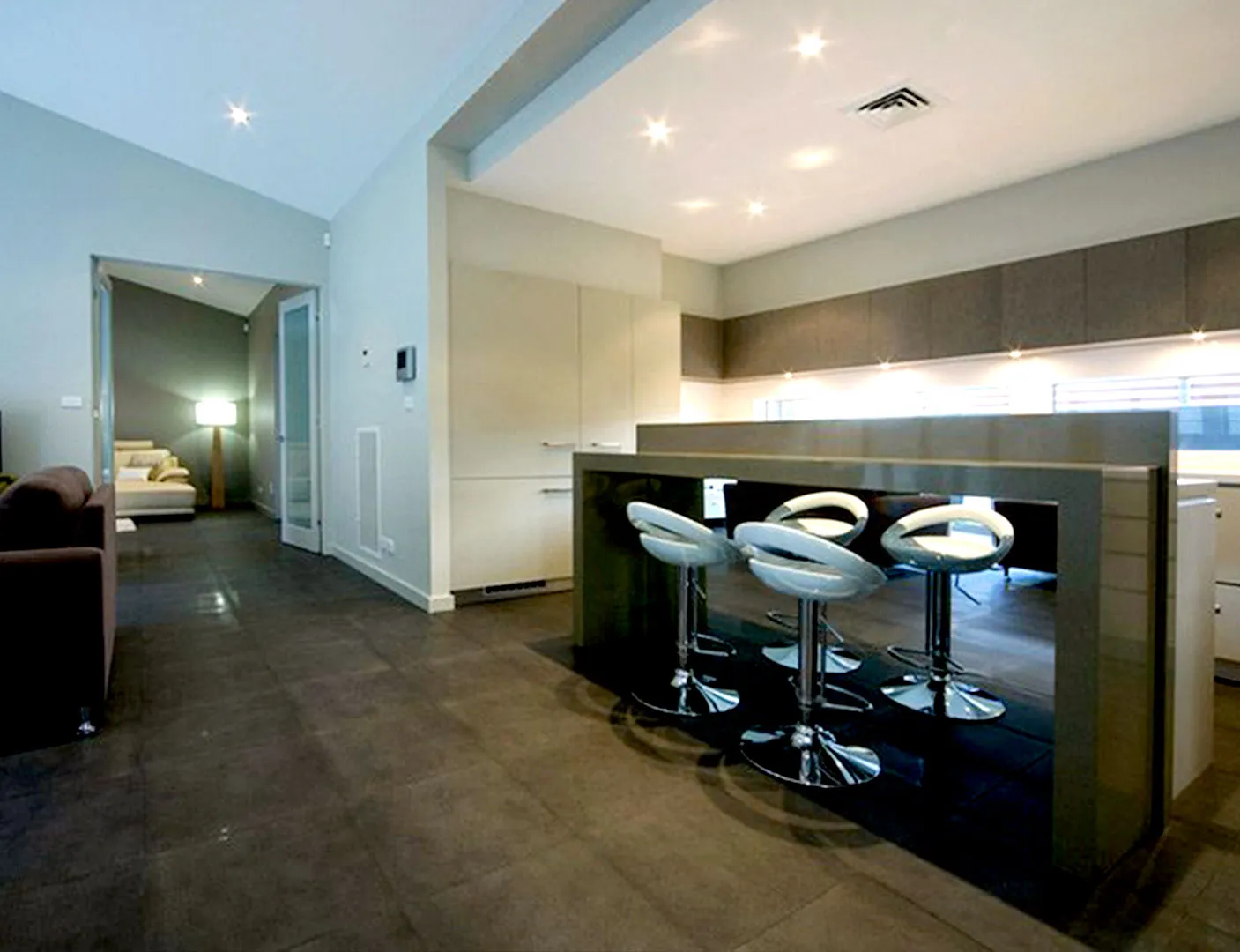
A structural renovation involves modifying the layout or physical structure of a home to improve usability, movement and space. These changes are often subtle but have a major impact on how a home feels and functions.
Structural work may include altering walls, adjusting room proportions, improving access between spaces or preparing a home for a new kitchen or bathroom layout.
Internal Structural Changes in Residential Homes
Many internal changes within a private home can be completed without formal architectural drawings or council approval, as long as they do not affect load-bearing elements or the external structure of the building.
Common internal structural updates include:
- Reworking room layouts to improve flow
- Combining or separating existing rooms
- Relocating bathrooms, laundries or other wet areas
- Removing outdated features to create more usable space
- Adjusting plumbing positions, noting that strata approval may apply in apartments
Because every home is different, early assessment is important to confirm what is possible before planning or construction begins.
When Approvals Are Required
Approvals are usually required when renovation work affects the structural integrity or external elements of a home. These types of changes often need formal assessment and documentation before construction can begin.
Situations that may require approval include:
Removing or altering load-bearing walls
Changing the size or position of windows and doors
Extending the home beyond its existing footprint
Modifying roof structures or structural supports
Working with a renovation team familiar with approval processes in Canberra helps avoid delays, ensures compliance and reduces the risk of changes being required later in the build.
Improving Layout and Liveability
Structural changes don’t need to be dramatic to be effective. Thoughtful adjustments can significantly improve how a home feels and functions.
Open Up Living Areas
Removing or repositioning walls can improve light flow and connection between spaces. Where full wall removal isn’t suitable, partial walls or structural beams can maintain support while opening the layout.
Make Better Use of Awkward Spaces
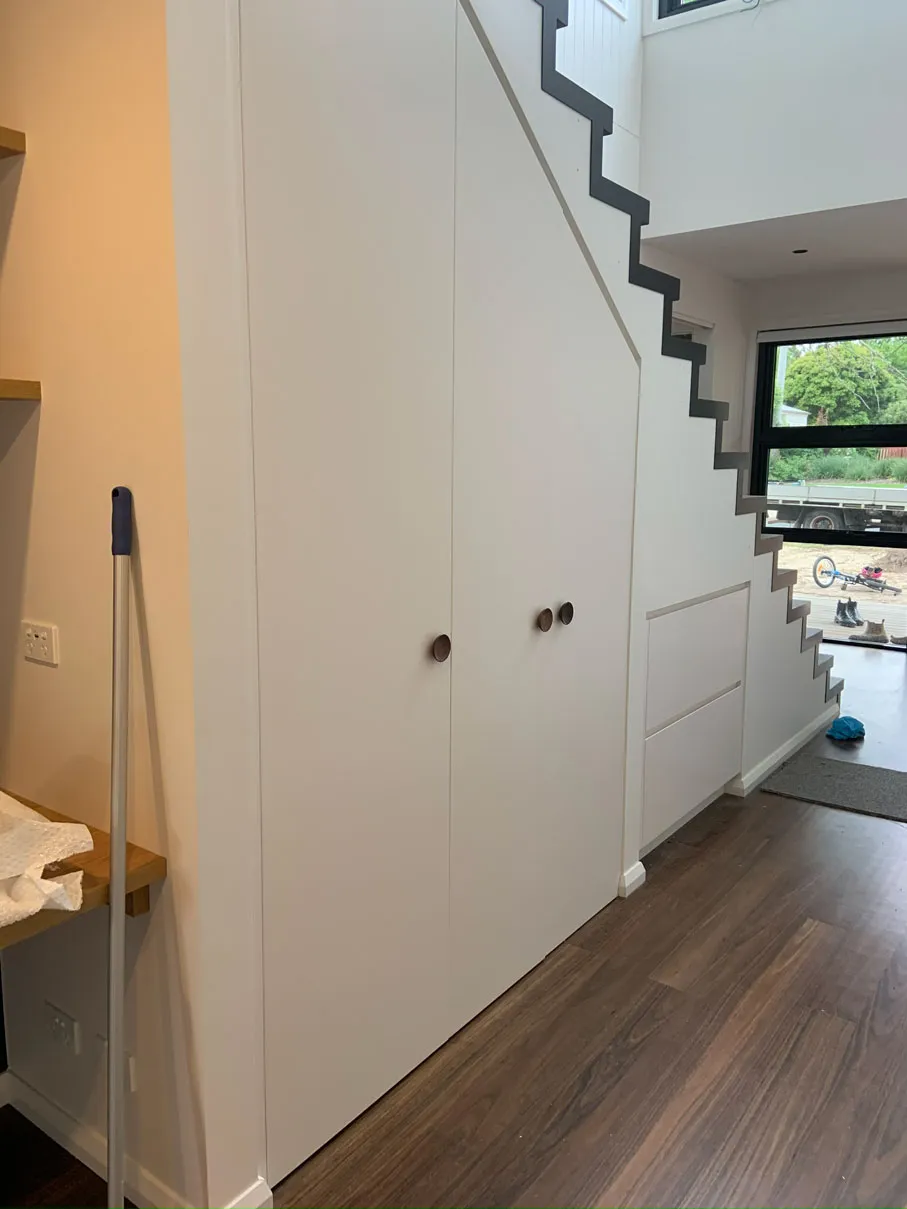
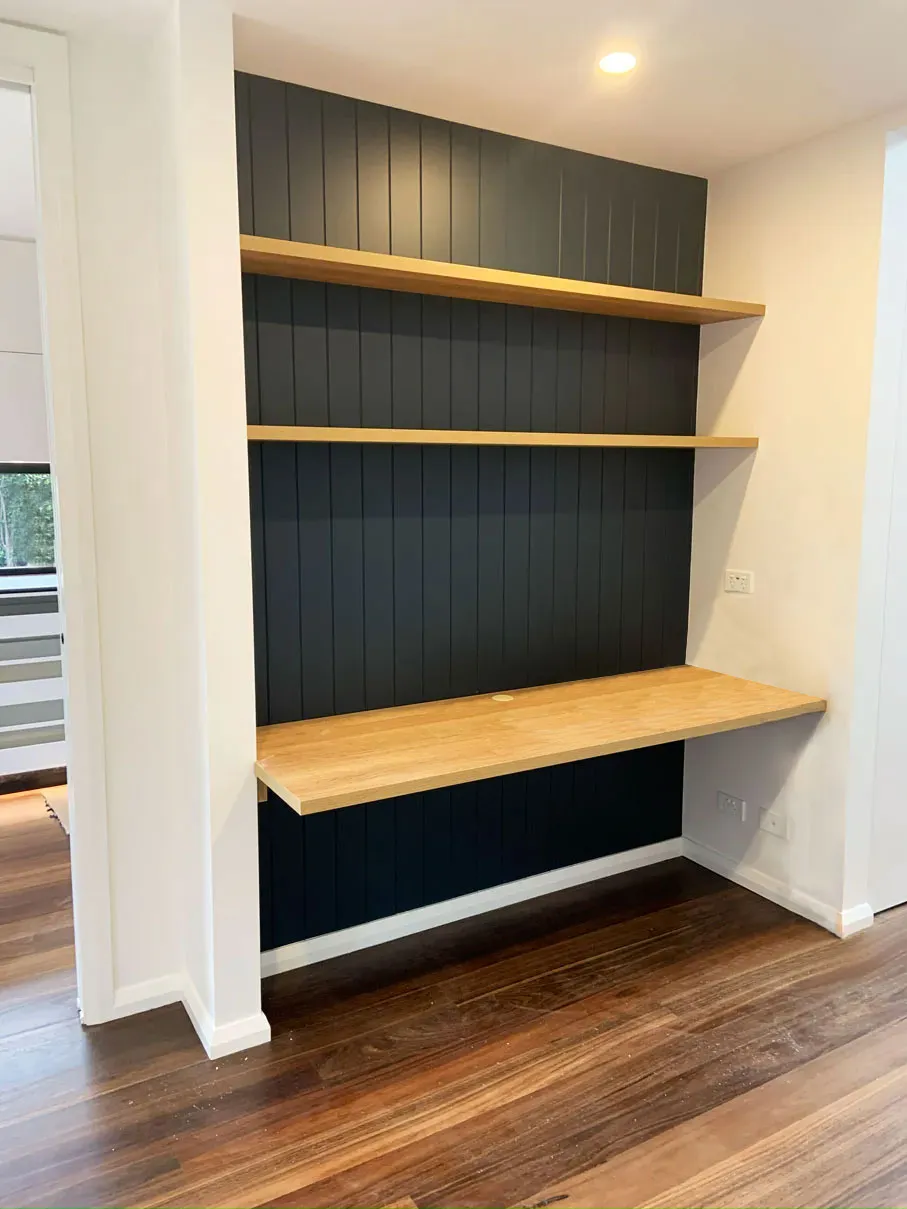
Recesses, narrow areas and underused corners can often be reworked into storage, cabinetry or functional zones that add real value.
Improve Doorway Design
Replacing traditional swing doors with sliding or cavity doors can improve access and free up floor space, particularly in kitchens, bathrooms and laundries.
Refine Architectural Details
Changes such as ceiling adjustments, bulkheads or squared openings can modernise a home while improving spatial balance and definition.

Early Service Planning
Structural renovations often involve services that sit behind walls, ceilings and cabinetry, including plumbing, electrical and ventilation. Planning for these early is essential, as changes made after walls are closed or cabinetry is installed can lead to unnecessary rework and added cost.
Early service planning allows layouts to be designed around how the space will actually be used, rather than forcing services to fit later. This is particularly important in kitchens, laundries and bathrooms where multiple services must work together efficiently.
Examples of service considerations include:
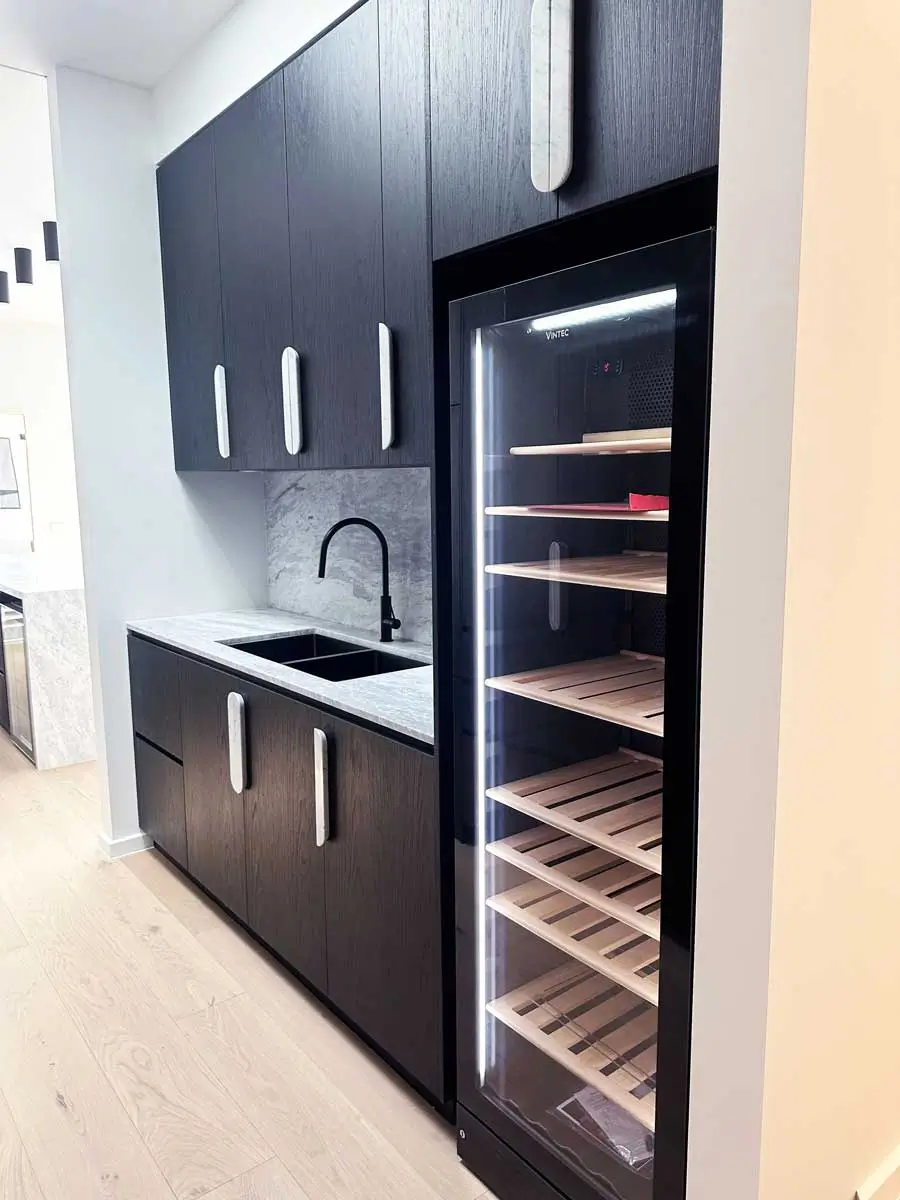
- Adding a sink or additional water points in a butler’s pantry
- Allowing for filtered water systems, instant boiling taps or extra appliances
- Planning power, lighting and ventilation to suit future upgrades
- Ensuring plumbing and electrical locations align with cabinetry and appliance placement
Coordinating services at the design stage helps reduce delays, limits disruption during construction and ensures the finished space functions as intended from day one.
Bringing in Natural Light and Airflow
Well-planned structural changes can dramatically improve comfort by enhancing natural light and ventilation.
Options may include:
- Enlarging or repositioning window openings
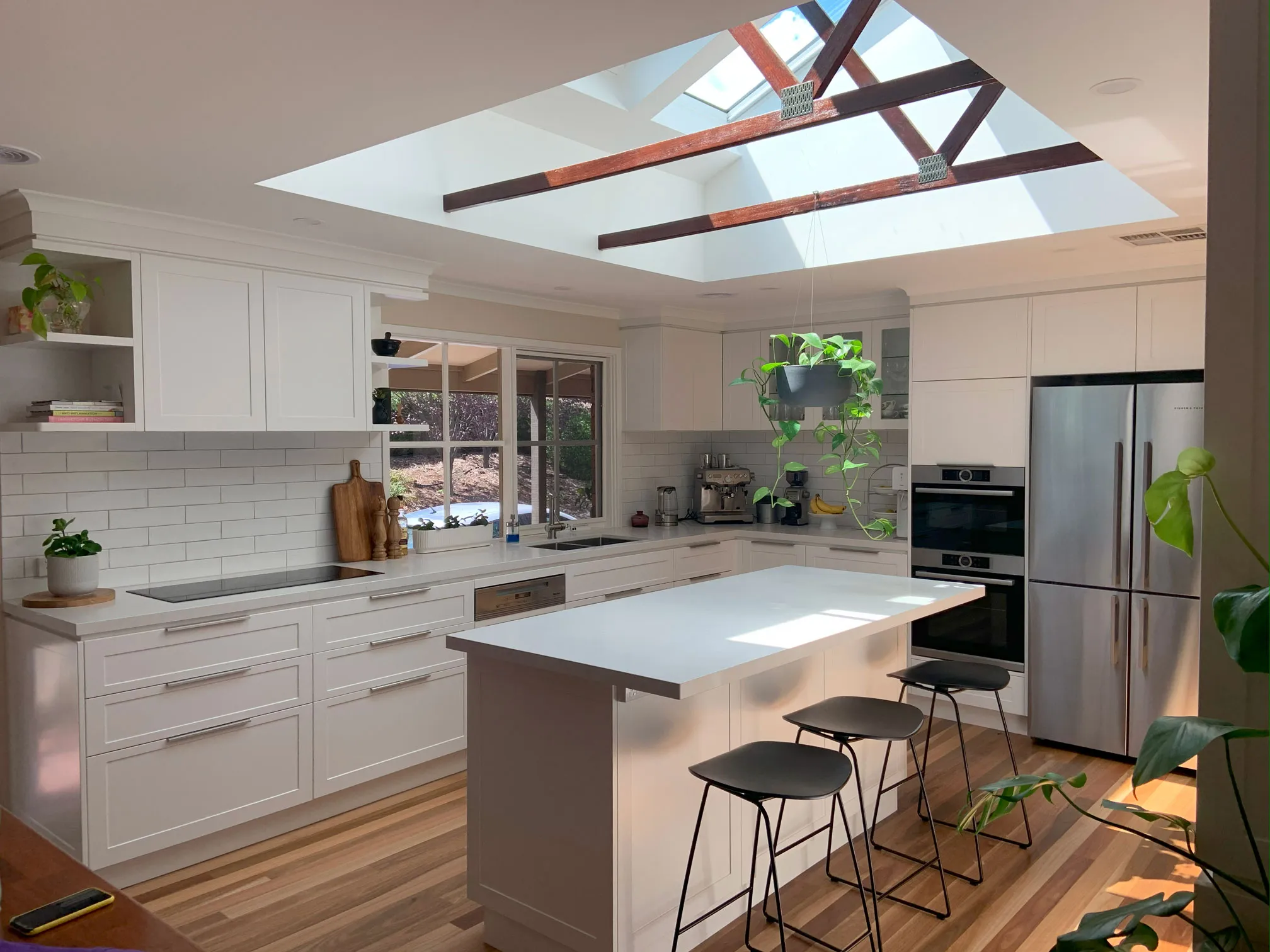
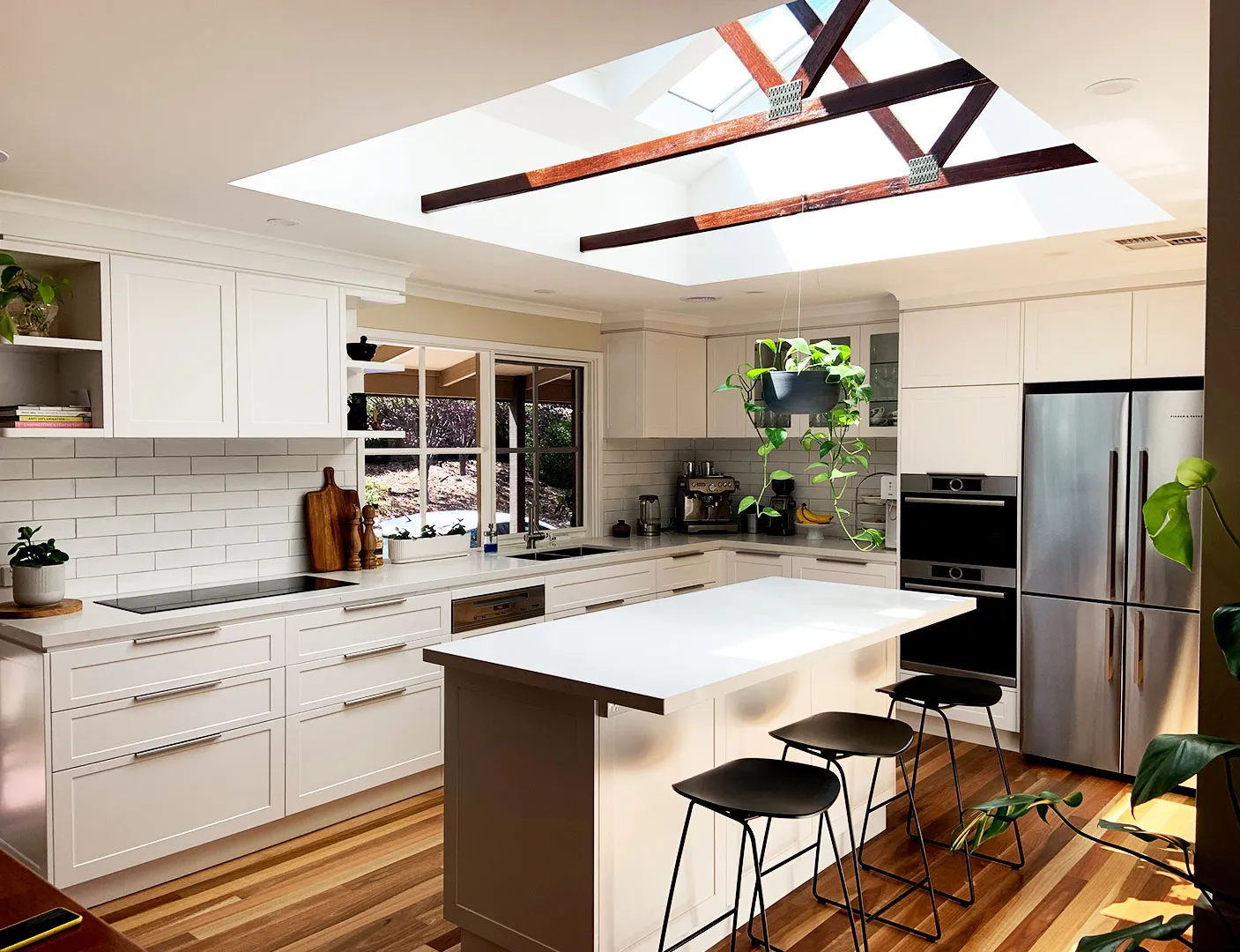
- Adding skylights to darker internal areas
- Improving airflow between rooms through layout changes
- Adjusting door placements to reduce stagnant spaces
These changes can make homes feel brighter, more open and more comfortable year-round.
Structural Renovations for Kitchens and Bathrooms
Kitchens and bathrooms benefit greatly from structural planning, as layout and access directly affect daily use.
Structural improvements may include:
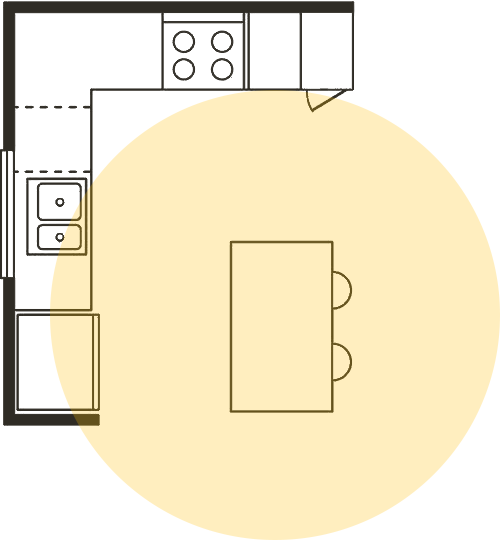
- Reworking kitchen layouts for better workflow
- Adjusting wall positions to suit modern cabinetry
- Combining or expanding bathrooms for better usability
- Improving ceiling heights to reduce closed-in spaces
- Optimising window and door placement for light and ventilation
These changes form the foundation for well-designed, long-lasting renovations.
Structural Renovations Managed by Caliber Kitchens
At Caliber Kitchens, structural renovations are planned with the end result in mind. Every decision is made to support how the home will be used, not just how it looks once the work is complete.
From early planning through to construction coordination, we ensure structural changes are practical, compliant and aligned with the overall renovation goals of your home.
Frequently Asked Questions About Home Extensions in the ACT
Structural renovations change layout or form, while cosmetic renovations focus on finishes and appearance only.
No. Many internal changes do not, but anything affecting load-bearing elements or the exterior may require approval.
This requires professional assessment. Never assume a wall can be removed without checking first.
Yes. Improving layout, light flow and access often has a greater impact than increasing floor area.
Well-planned structural changes typically improve functionality, comfort and long-term appeal.
Yes. Structural planning is integrated into our renovation approach so layouts work properly from the start.
Ready to Plan Your Structural Renovation
If you are considering structural changes to improve how your home works, the first step is understanding what is possible within your space.
Caliber Kitchens works with homeowners across Canberra to plan structural renovations that support better layouts, smoother flow and long term functionality. Get in touch to discuss your home, your ideas and the best way forward before work begins.