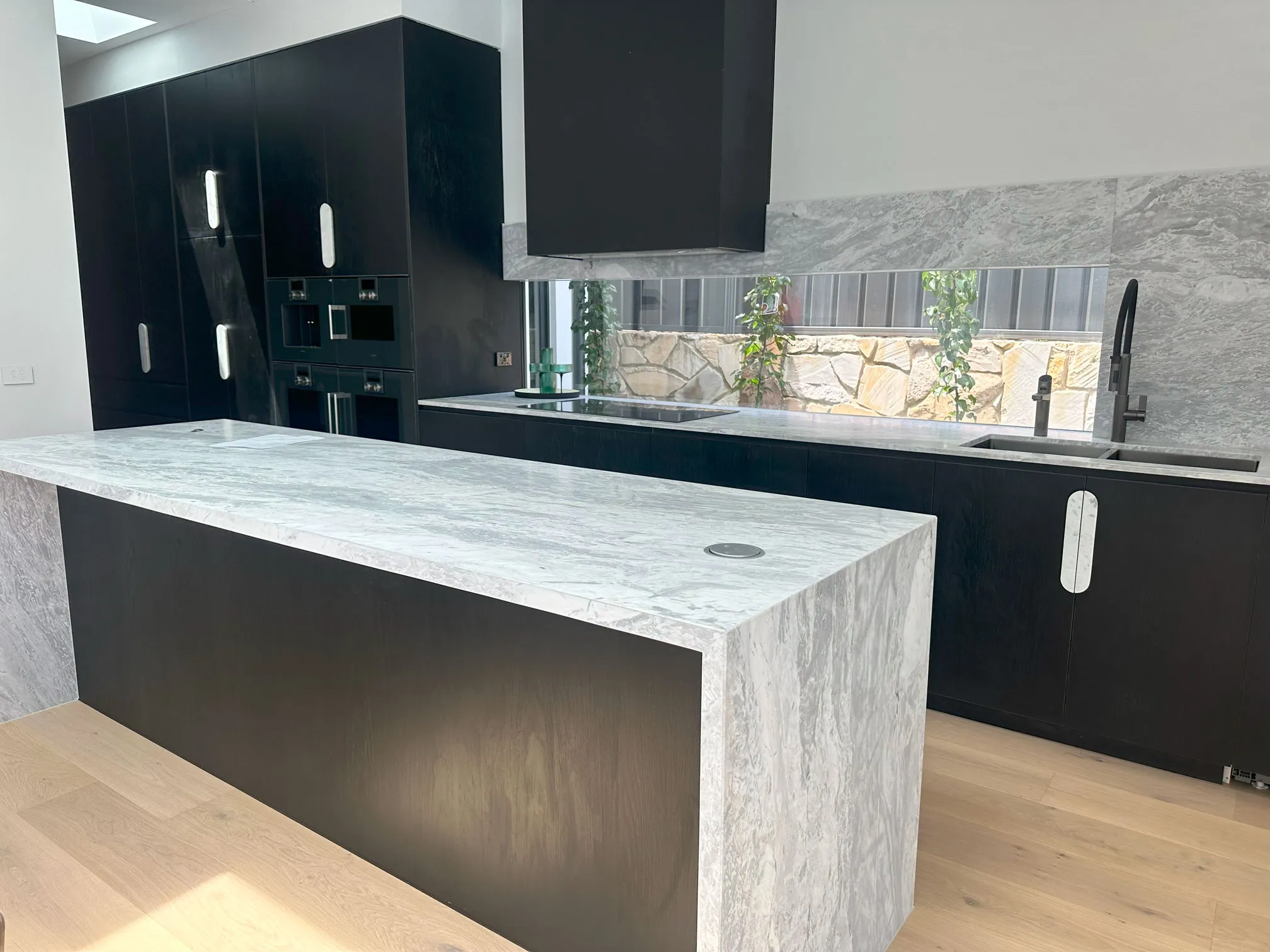
A kitchen renovation is one of the most rewarding home improvements you can undertake. It is an opportunity to create a space that is not only beautiful but perfectly tailored to the way your family lives cooks and socialises. For Canberra homeowners this renovation is a significant investment one that deserves meticulous planning and expert execution.
At Caliber Kitchens we have managed countless renovations helping families in Canberra and Queanbeyan transform their kitchens into the central hub of their homes. Drawing on our decades of experience we have compiled the Top 10 essential considerations that will ensure your project runs smoothly stays on budget and delivers the bespoke quality you expect.
1. Set a Realistic Budget and Contingency Fund
The first and most critical step is establishing a clear financial framework. A "realistic" budget must extend beyond the visible elements like cabinets and benchtops. It must account for demolition installation trade costs and unforeseen expenses.
For a comprehensive renovation in the Canberra region be prepared for costs spanning from a practical refresh to a bespoke luxury build (typically $30000 to over $70000 depending heavily on the scope materials and structural changes).
Crucially you must allocate a contingency fund typically 10 to 15% of your total budget. This fund is your safety net for unexpected issues particularly common in older Canberra homes like finding outdated electrical wiring unexpected plumbing rerouting or hidden structural damage once walls are opened. A realistic budget includes this buffer preventing stress and delays further down the line. Ignoring this safety margin is the number one cause of project blowout.
2. Master the Layout and Workflow
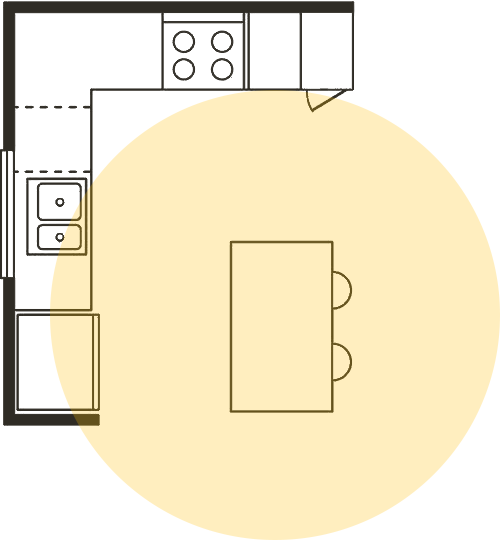
A beautiful kitchen that doesn't function properly is a wasted investment. The core principle of kitchen efficiency is often the classic Work Triangle which dictates the optimal flow between the sink cooktop and refrigerator. However modern kitchens often benefit from Zonal Planning particularly in open-plan spaces.
Think about how you use your kitchen:
- Preparation Zone Near the sink and cutting board.
- Cooking Zone Around the cooktop and oven.
- Cleaning Zone The main sink and dishwasher.
- Pantry Zone Food storage and quick access items.
Planning for distinct zones ensures that multiple people can use the kitchen simultaneously without colliding a common requirement for busy Canberra families. Consider your traffic flow and how movement patterns will affect island seating entryways and appliance placement. Even minor adjustments to the layout can dramatically improve daily living.
3. Plan for Appliances Before Cabinetry
The mistake of ordering cabinets before finalising appliance models is a costly one. Appliances are not merely slotted in they are integrated. Their specific dimensions wiring requirements and ventilation needs dictate the surrounding joinery.
For example a built-in oven requires precise cabinet dimensions and dedicated electrical circuits. A fully integrated dishwasher requires custom door panels and a specific depth. If you plan to use a large French-door refrigerator you must ensure the surrounding cabinetry provides the required ventilation gaps specified by the manufacturer.
Finalise your appliance list including brand and model numbers early in the design phase. Share these specifications with your designer at Caliber Kitchens so that we can draw up the precise bespoke cabinetry ensuring a perfect seamless fit. This prevents expensive remedial work during installation.
4. Prioritise Smart Storage and Custom Joinery
Storage is the difference between a cluttered workspace and a calm serene kitchen. Simply adding more cabinets is not the answer smart storage is. Bespoke joinery allows you to maximise every cubic centimetre of space a necessity in modern home design.
Invest in mechanisms that enhance usability such as:
- Deep Drawers for pots and pans instead of bottom-level cupboards.
- Corner Solutions like pull-out LeMans units for previously inaccessible corner space.
- Integrated Bin Systems keeping waste concealed and close to the preparation zone.
- Soft-Close Hardware like premium Blum fittings which guarantee smooth quiet operation and longevity.
Think vertically and horizontally. Custom pantries with internal drawers shelves and spice racks are far more efficient than standard shelving. The right storage can literally change the way you cook and clean.
5. Choose Benchtops for Durability and Aesthetics
The benchtop is the hardest working surface in your kitchen. It must withstand heat knives spills and daily cleaning while remaining the primary visual feature. Your decision should balance durability maintenance and style.
- Engineered Stone (e.g. Quantum Quartz): Highly popular for its low maintenance non-porous surface and wide range of colours. It resists staining and is extremely durable ideal for busy households.
- Laminate: A budget-friendly option that has come a long way in terms of aesthetics offering realistic timber or stone looks.
- Natural Stone (e.g. Granite Marble): Offers unparalleled beauty and uniqueness but requires specific sealing and more careful maintenance particularly marble which can etch easily.
Select a benchtop that complements your cabinetry finishes and ensures it can handle the rigours of your culinary habits. Never sacrifice durability for a marginal cost saving.
6. Design a Layered Lighting Plan
Poor lighting can make even the most expensive kitchen feel flat and uninviting. Kitchen lighting should be layered with three distinct types:
- Ambient Lighting General overall light provided by ceiling downlights. Should be warm and dimmable.
- Task Lighting Focused light essential for safety and precision during food preparation. Under-cabinet LED strips are crucial for illuminating benchtops without casting shadows.
- Accent Lighting Decorative lighting to highlight features and add mood such as pendant lights over the island or strip lighting inside glass cabinets.
Proper lighting design also ensures safety. Task lighting over the cooktop and preparation area prevents accidents. Always choose warm light temperatures (around 3000K) for a cosy inviting kitchen atmosphere.
7. Select Cabinetry Finishes That Last
Cabinetry accounts for the largest portion of your renovation budget and determines the entire aesthetic. Your choice of finish impacts both the look and the maintenance required.
- Melamine/Laminate: Durable and budget-friendly easy to clean and available in countless colours and textures.
- Vinyl Wrap (e.g. Tesrol): Offers complex profiles like shaker doors providing a classic look while remaining highly moisture-resistant and relatively cost-effective.
- Polyurethane/2-Pac Paint: Provides a luxurious seamless finish in any colour. Highly durable when properly applied but more sensitive to sharp impacts.
- Timber Veneer: Adds warmth and organic texture perfect for a modern design.
When selecting ensure the material is robust enough to handle the humidity grease and constant opening and closing inherent to a working kitchen.
8. The Importance of Professional Project Management
A kitchen renovation involves up to eight different trades including cabinetmakers plumbers electricians tilers plasterers painters and stonemasons. Coordinating these professionals sequencing their work and managing their timelines is arguably the most complex part of the entire process.
This is where a full-service provider like Caliber Kitchens delivers immense value. We offer Complete Project Management overseeing every stage from initial design consultation to final installation. We use trusted in-house tradespeople who we have worked with for years ensuring accountability consistent quality and adherence to the schedule. Attempting to manage multiple independent contractors yourself often leads to delays miscommunications and increased costs.
9. Don't Neglect Ventilation and Plumbing
These essential functional elements are often overlooked because they are hidden. Neglecting them can lead to structural damage health issues and poor cooking performance.
- Ventilation: A high-quality externally ducted rangehood is a non-negotiable must. It removes steam grease odours and heat keeping your kitchen clean and your air fresh. Recirculating rangehoods are generally less effective than ducted ones.
- Plumbing: Assess the location of your sink dishwasher and potentially an island sink. If you are changing the layout older plumbing in existing Canberra homes may need significant upgrades or rerouting. Ensure all plumbing work is carried out by certified professionals to avoid leaks and future issues.
10. Future-Proofing and Resale Value
While you are renovating for yourself you are also investing in your home's future value. A well-designed kitchen provides an excellent return on investment.
To future-proof your design focus on timeless materials and neutral backdrops. Avoid overly trendy colours or features that may quickly date the space. Instead choose classic profiles like Shaker or modern flat-panel doors combined with durable finishes. Neutral colours for benchtops and main cabinetry allow future owners to easily introduce their own style through paint appliances and accessories. Good design ensures that your kitchen will remain a desirable selling point for decades to come.
Your Next Step to a Perfect Kitchen
Renovating your kitchen is a journey that requires careful consideration expertise and trust. By focusing on these 10 key elements you are setting the foundation for a successful beautiful and functional space.
At Caliber Kitchens we blend high-quality bespoke joinery with stress-free complete project management ensuring your Canberra kitchen renovation is executed to the highest standard.
Ready to start planning your dream kitchen with a team that manages every detail? Contact Caliber Kitchens today for a free quote and consultation.