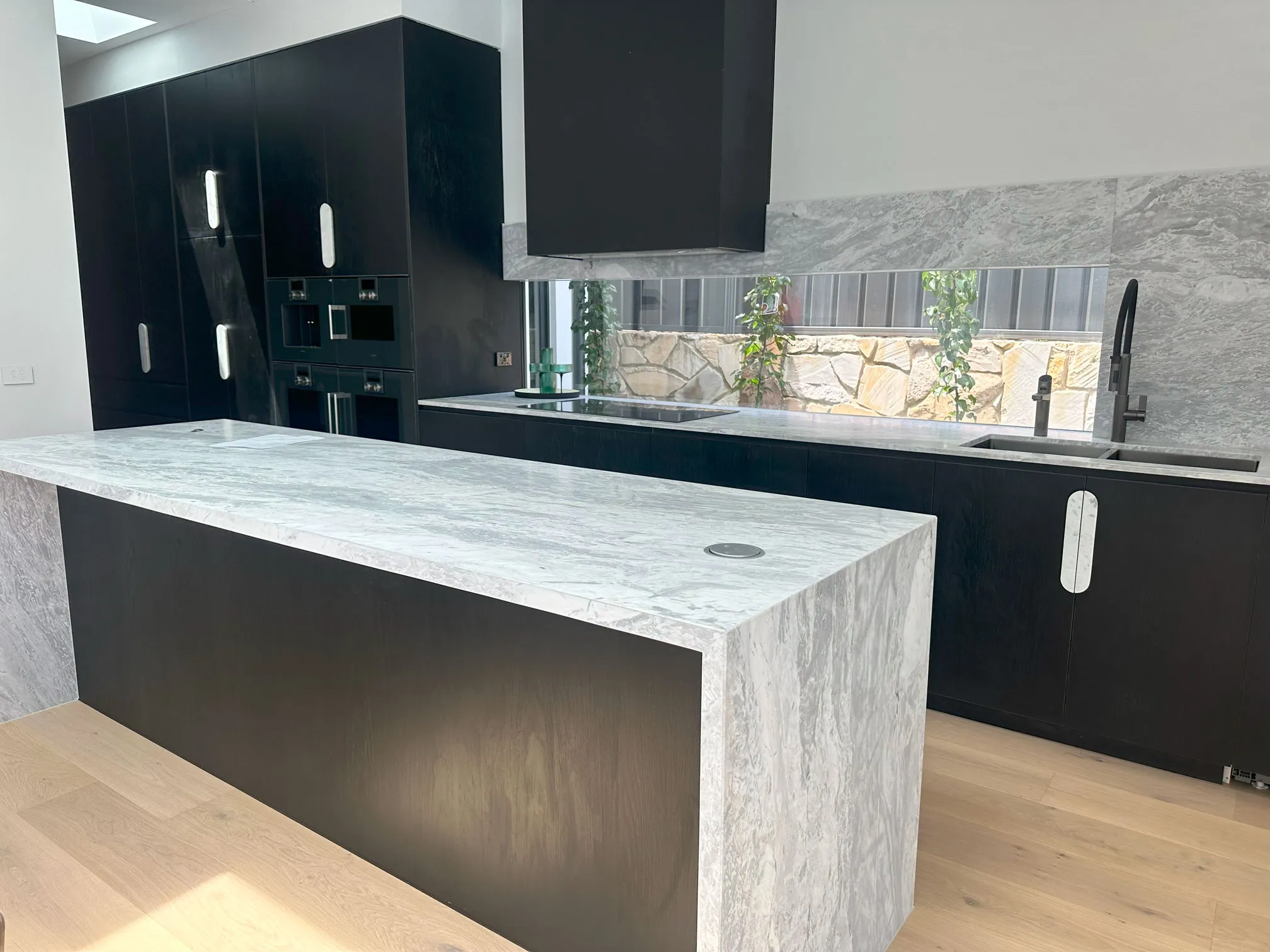
Kitchen design affects more than appearance. The way a kitchen is laid out, ventilated, lit and organised directly influences how safely people move, how comfortably they cook and how easily the space can be kept clean. Poor planning often leads to cramped walkways, inadequate extraction, cluttered storage and unnecessary physical strain, all of which impact daily use over time.
At Caliber Kitchens, our approach to kitchen renovations in Canberra focuses on long-term function rather than short-term trends. In this article, we examine the specific layout, storage, ventilation, material and appliance choices that contribute to safer movement, better air quality, improved hygiene and reduced physical fatigue. The emphasis is on practical design features that make everyday cooking and cleaning more efficient and sustainable for households at every life stage.
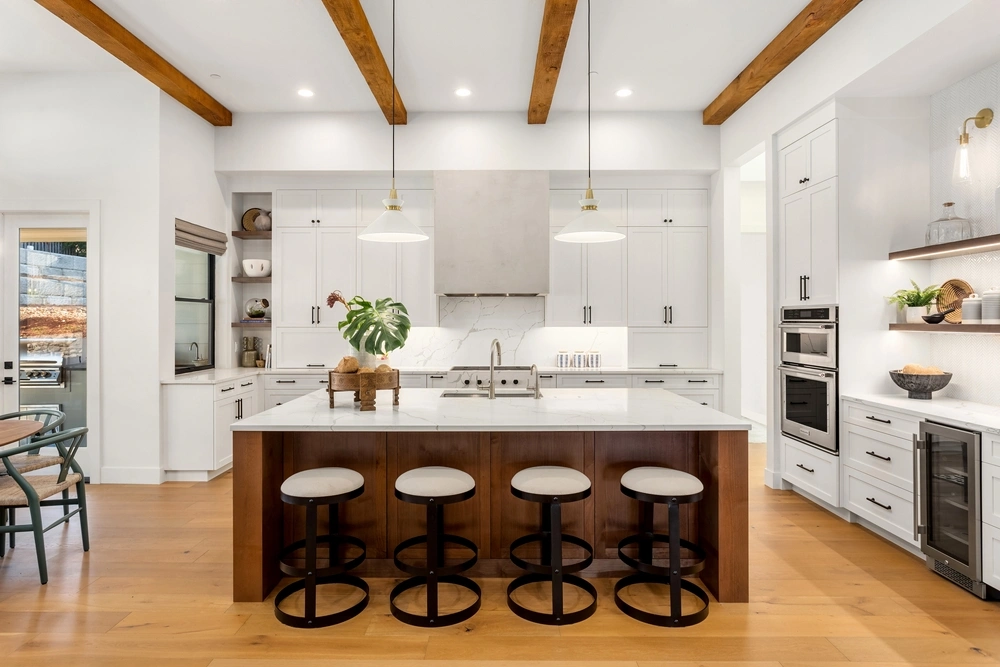
Layout That Reduces Strain and Supports Safe Movement
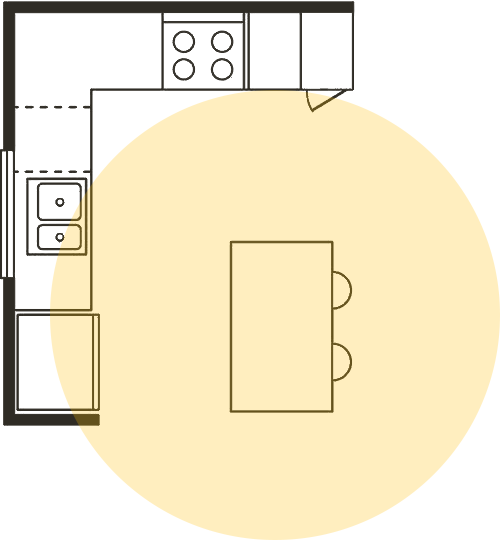
Layout is the foundation of how a kitchen performs day to day. When benches are cramped, appliances are poorly positioned or walkways are too tight, cooking becomes physically tiring and potentially unsafe. Small design flaws, repeated daily, add up to unnecessary strain.
Good circulation planning prevents this. Sufficient clearance around islands and between opposing benches allows people to move freely without stepping sideways, twisting around open doors or backing into hot surfaces. Appliance doors and drawers need space to open fully without blocking walk paths. These details seem minor during planning but make a noticeable difference once the kitchen is in regular use.
The positioning of the sink, cooktop and refrigerator should also support a logical sequence: rinse, prepare, cook. A clear preparation zone between sink and cooktop reduces back-and-forth movement and keeps sharp tools and hot pans contained to one area. Locating waste and recycling near the prep space supports immediate clean-up and reduces mess building up on surfaces.
Ergonomics is equally important. Benchtop heights should suit the primary users to minimise shoulder and back strain. Wall ovens at mid-height eliminate heavy lifting from low positions. Replacing deep cupboards with full-extension drawers improves visibility and reduces bending.
When movement paths, working zones and reach distances are considered together, the kitchen becomes easier to use for longer periods without fatigue. That practicality is what ultimately supports healthier daily routines.
Storage That Makes Fresh Food Easier to Access and Use
Storage design influences how easily a kitchen can be kept organised and how practical it is to cook from scratch. When ingredients are difficult to see or reach, they are less likely to be used efficiently. Over time, poor storage planning leads to cluttered benches, wasted food and reliance on convenience options simply because they are easier to grab.
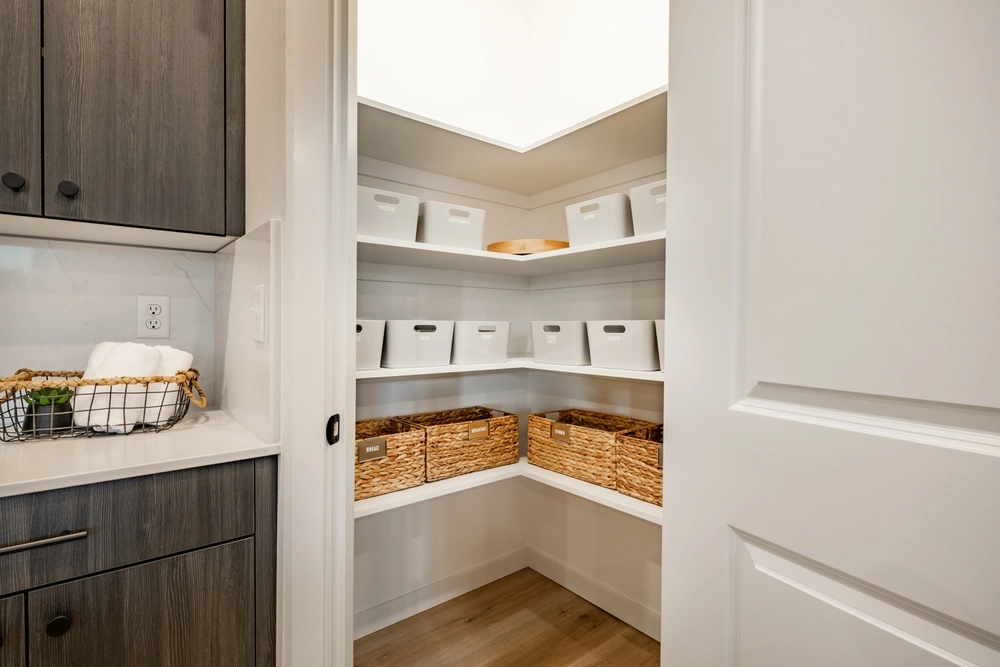
A well-designed pantry should prioritise visibility and access. Full-height units with internal drawers or pull-out systems allow dry goods to be seen at a glance rather than hidden at the back of deep shelves. Adjustable shelving accommodates bulk staples without stacking, and frequently used items can be positioned between shoulder and hip height to reduce stretching or bending.
Refrigerator organisation benefits from the same thinking. Items that are ready to use, such as prepared vegetables, fruit or leftovers, should sit at eye level rather than in lower drawers that are easily forgotten. Good internal layout makes it easier to rotate food and avoid spoilage.
Base cabinetry also plays a role. Deep pan drawers provide better access to pots, containers and cooking equipment than traditional cupboards. Full-extension runners allow the entire drawer to be viewed without crouching or reaching into dark corners.
Even waste storage should be planned carefully. Integrated bins positioned near the main preparation zone support immediate clean-up, which keeps surfaces clearer and reduces the risk of cross-contamination.
When storage is designed for visibility, reach and logical grouping, the kitchen becomes easier to maintain. That clarity reduces clutter, improves food use and supports more consistent home cooking without adding complexity.
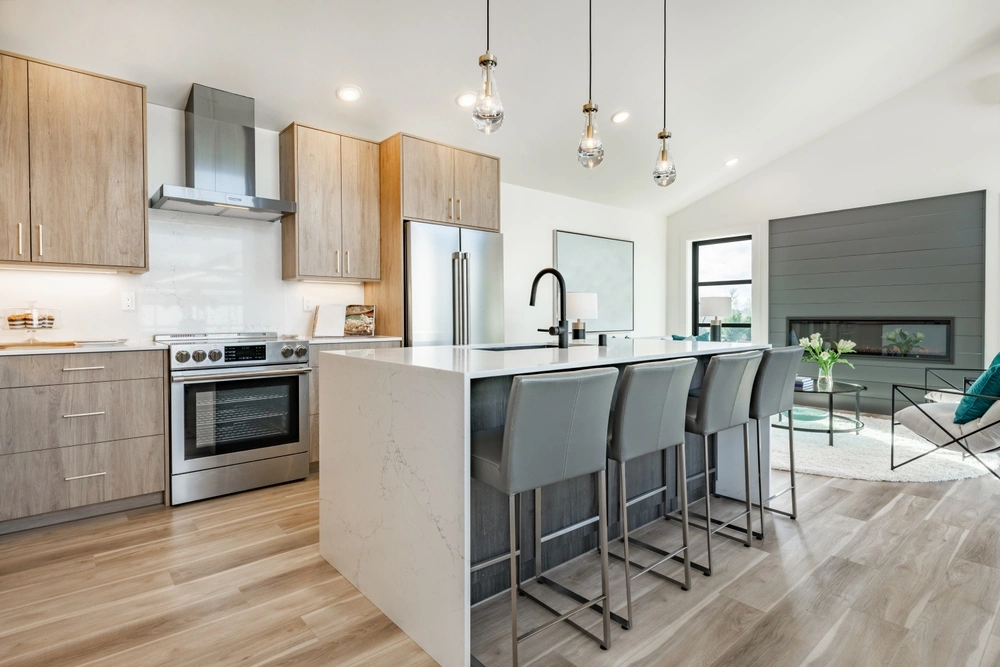
Ventilation, Lighting and Materials That Improve Hygiene and Comfort
Air quality, visibility and surface selection all affect how healthy and manageable a kitchen feels over time. These elements are often treated as secondary to cabinetry and finishes, yet they have a direct impact on cleanliness, moisture control and day-to-day comfort.
Ventilation and Moisture Control
Cooking releases steam, grease particles and fine airborne contaminants. Without adequate extraction, these settle on cabinetry, walls and ceilings, contributing to surface build-up and, in some cases, long-term moisture issues.
A properly sized rangehood that vents externally is significantly more effective than basic recirculating models. Extraction capacity should suit the cooktop type and room size so steam and grease are captured at the source rather than spreading through the home. In well-sealed modern houses, additional ventilation through operable windows or supplementary exhaust can help manage humidity and reduce condensation.
Consistent airflow does more than control odours. It limits grease accumulation, reduces mould risk and helps preserve cabinetry finishes over time.
Lighting for Safety and Cleanliness
Lighting influences both safety and hygiene. Shadows across preparation areas increase the risk of cutting accidents and make spills harder to detect. Layered lighting addresses this by combining general illumination with focused task lighting over benches, sinks and cooktops.
Under-cabinet LED strips are particularly effective at removing shadows from work surfaces. Balanced lighting also reduces eye strain during prolonged food preparation. Warmer lighting may suit dining areas, but task zones benefit from clear, even illumination that allows accurate visibility of food and surfaces.
Durable, Easy-to-Clean Materials
Material selection plays a major role in ongoing maintenance. Non-porous benchtops and splashbacks reduce staining and make routine cleaning more effective. Large-format surfaces with minimal joins limit the number of grout lines or seams where grease and moisture can accumulate.
Cabinet finishes that are smooth and sealed are easier to wipe down than heavily textured options. Low-VOC paints and board materials can also reduce lingering odours during and after installation.
When ventilation, lighting and materials are considered together, the kitchen is easier to keep clean and more comfortable to use daily. These decisions influence air quality, surface hygiene and long-term durability far more than most aesthetic upgrades.
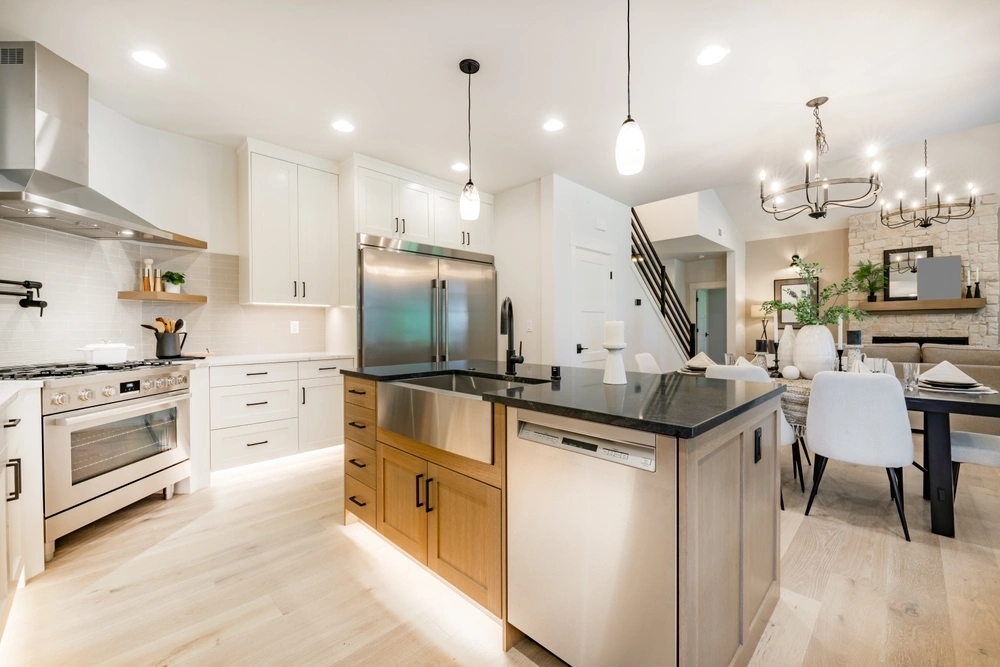
Appliance and Long-Term Design Choices That Support Ongoing Use
Appliances and fixture placement influence how safely and comfortably a kitchen functions over many years. While finishes date and styles change, the positioning and performance of core appliances have a lasting impact on daily use.
Cooktop selection is one example. Induction cooking offers precise temperature control and reduces excess ambient heat compared to gas, which can make the space more comfortable during extended cooking. Because the surface remains cooler when not in direct contact with cookware, it also lowers burn risk, particularly in family households.
Oven placement should reduce unnecessary lifting. Installing wall ovens at mid-height eliminates the need to remove heavy trays from below waist level. This is especially important in households where the kitchen is used frequently or by people with back or shoulder limitations.
Power and small appliance storage also affect safety and usability. Accessible power outlets positioned above bench height prevent cords trailing across walkways. Appliance garages or dedicated bench zones allow frequently used equipment to remain plugged in without cluttering preparation space.
Sink and tap selection can support ease of use over time. Lever-style mixers or touch-control taps are simpler to operate than small knobs, particularly for users with reduced hand strength. Consistent water temperature control also reduces scalding risk.
Long-term planning should also consider adaptability. Wide circulation paths, drawer-based storage and a mix of seated and standing work areas make the kitchen easier to use as needs change. These decisions do not alter the visual design significantly, but they extend the functional lifespan of the space.
When appliances and layout decisions are selected for durability, safety and ergonomic performance, the kitchen remains practical well beyond installation. That longevity is what ultimately supports everyday comfort and sustained use.
Design choices in a kitchen have long-term consequences. Layout affects movement and strain. Storage determines how easily food can be organised and accessed. Ventilation, lighting and surface selection influence hygiene and air quality. Appliance positioning shapes safety and comfort over time.
When these elements are considered together rather than in isolation, the result is a kitchen that performs efficiently under daily use. It is easier to clean, safer to move through and more practical for consistent home cooking.
Well-planned kitchens are not defined by trends or feature lists. They are defined by how well they function years after installation. Prioritising circulation, ergonomics, durable materials and appropriate appliances ensures the space continues to support everyday living without unnecessary effort or maintenance burden.