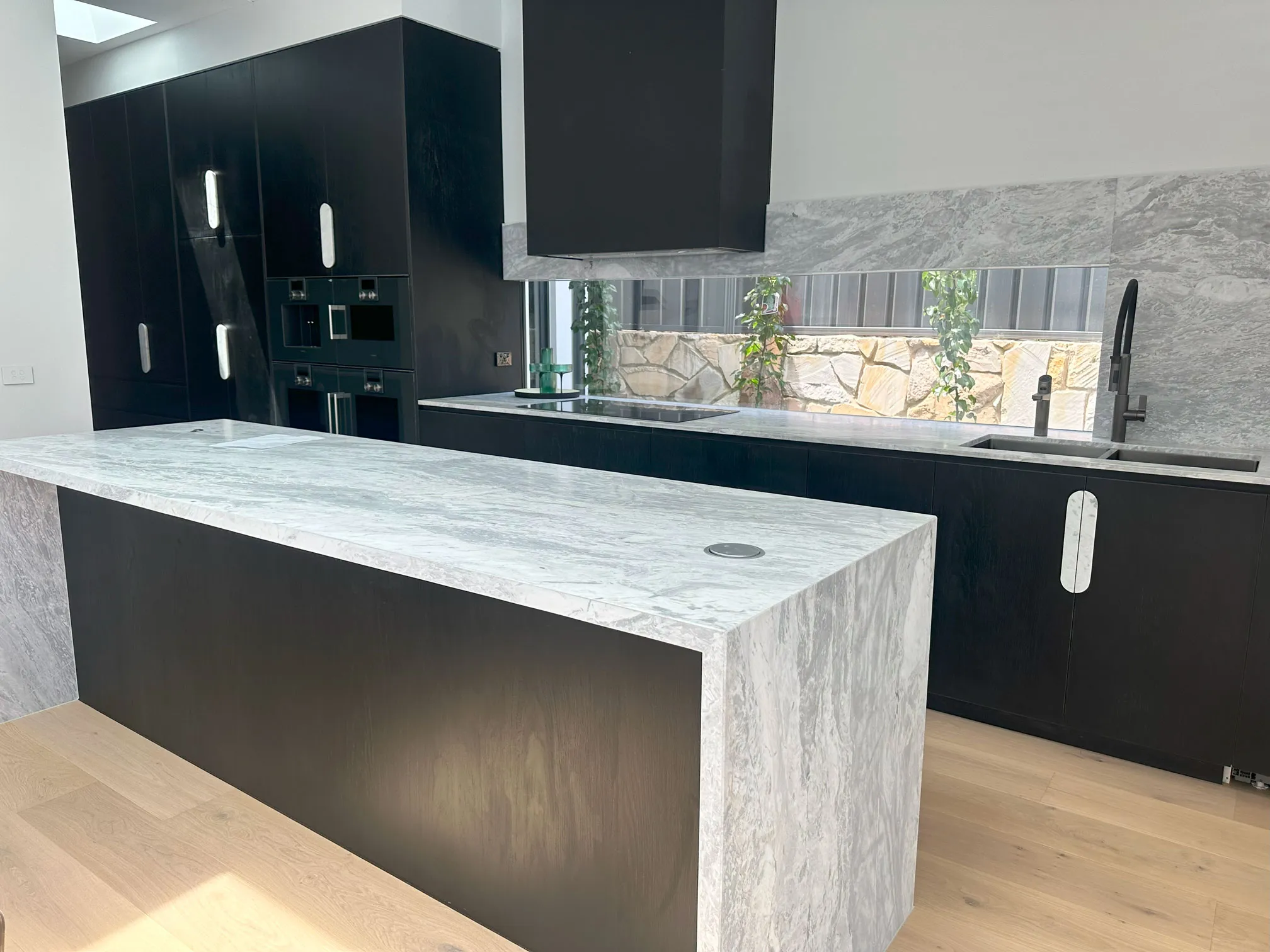
A kitchen handle can look perfect in a photograph and feel awkward the first time a drawer is opened. Details such as finger clearance, rounded edges and grip space become more noticeable during everyday tasks, from unloading the dishwasher to reaching for a heavy saucepan.
When planning kitchen renovations in Canberra, Caliber Kitchens can help homeowners consider how cabinetry details will work in practice as well as how they will look. Choosing the right handles involves comparing grip comfort, opening mechanisms, cleaning requirements and placement before cabinetry is finalised. These decisions influence the appearance of the kitchen and how comfortably it functions every day.
Which Handles Will Feel Comfortable in My Hand?
Comfort depends on more than the shape visible from the front. The space behind a handle, its edges and the way fingers meet it all affect how easily a cupboard or drawer can be opened.
Treat kitchen cabinet handles as working components rather than decorative finishing touches. A sample that can be gripped and tested on a working door or drawer provides a more reliable indication of comfort than a photograph or finish swatch.
Knobs and Pulls Offer Different Ways to Grip
A knob provides a small point to grasp. Depending on its shape, it may be pinched between the fingers or held with a curled grip. A rounded knob with a defined neck can feel quite different from a shallow disc, even when both look similar on a cabinet front.
A pull provides space for several fingers behind the handle. This can be useful on drawers containing pots, crockery or other heavy items. However, a long pull does not automatically offer a comfortable grip. A narrow opening or an angular underside may feel less pleasant to use than a shorter, well-shaped alternative.
Consider how the kitchen is used throughout the day. If handles are often operated with damp hands, a design that offers a secure grip without relying entirely on pinching a smooth surface may be more practical. The handle should also be easy to grasp without pressing against the cabinet front.
Finger Clearance Matters as Much as Appearance
Projection refers to how far a handle extends from the cabinet front. Too little projection can leave fingertips pressed against the cabinetry, while excessive projection may catch clothing or interfere with nearby surfaces.
The opening behind a pull is just as important. Compare the available grip space, the thickness of the handle and the shape of its underside. Square-edged designs can feel uncomfortable against the fingers when pulling a heavy drawer, while exposed ends may become inconvenient in narrow walkways or busy work areas.
There is no single measurement that suits every user or cabinet. Hand size, handle shape, drawer weight and the surrounding layout all affect comfort. Compare the actual dimensions of shortlisted products and test different sizes from the same range before deciding.
Test a Sample on a Working Door or Drawer
Holding a loose handle is useful, but opening a working drawer provides a better test. Ask the designer or cabinetmaker whether a sample can be fitted to a display front or an existing cabinet, ideally with some weight inside the drawer.
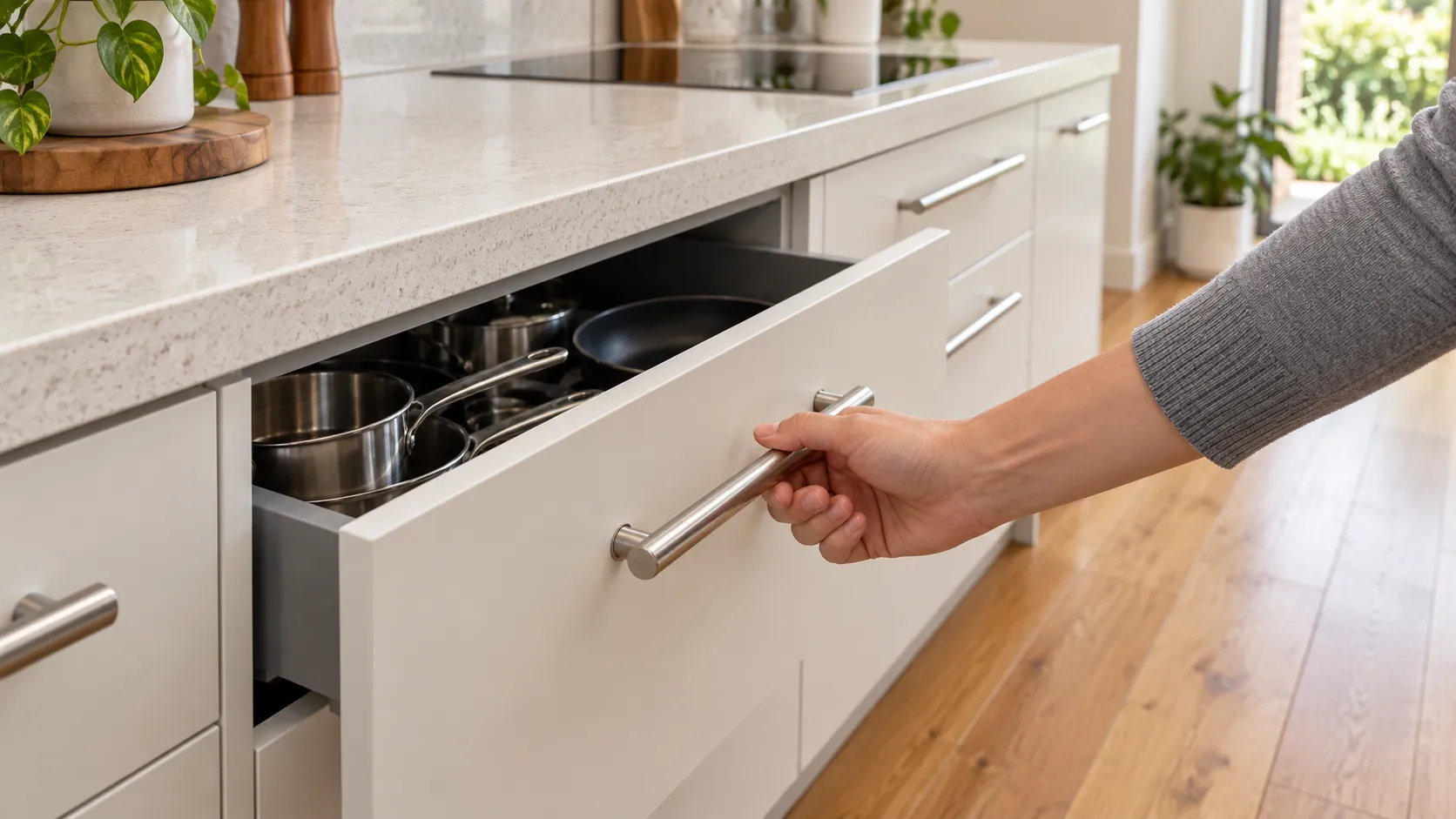
Open and close it several times using a natural grip. Check whether the fingers fit comfortably, whether the edges press into the skin and whether the handle provides enough control throughout the movement. Try opening it with slightly damp hands if that reflects typical kitchen use.
Test the handle in the position where it will actually be installed. A design that feels comfortable on a sample held at waist height may feel different when fitted to a high cupboard or a deep drawer. Include the people who regularly use the kitchen in the selection process.
Considering accessible design early can help homeowners choose handles and opening systems that remain comfortable as household needs change.
Will a Handleless Kitchen Suit the Way I Cook?
A handleless appearance can be achieved through several different opening systems. Some require fingers to grip a recessed channel, while others use a mechanism that releases the door or drawer when the front is pressed.
Before choosing handleless kitchen cabinets, establish how each door and drawer will operate. The right solution depends on the cabinet construction, the opening mechanism and the way the kitchen is used. Grip access, cleaning and compatibility with the selected hardware should all be considered before the design is approved.
Recessed Grips and Push-to-Open Mechanisms Work Differently
A recessed handle provides a pocket or shaped area for the fingers to pull. A finger-pull profile creates a grip space along an edge, often through a channel behind the cabinet front or a shaped cabinet edge. Both approaches reduce the need for projecting hardware, but the available grip space varies between designs.
Push-to-open systems work differently. Pressing the cabinet front activates a mechanism that releases the door or drawer, allowing it to open without a conventional handle. The required pressure, opening movement and closing action depend on the system selected.
Ask the cabinetmaker to confirm compatibility with the proposed hinges, drawer runners and cabinet fronts. Push-to-open hardware is not automatically compatible with every soft-closing system and heavier fronts may require specific mechanisms. The complete opening and closing arrangement should be specified and tested rather than assembled from components that may not work well together.
Recessed profiles also need sufficient space for fingers to access the grip. The cabinet design may affect the usable opening or the way a drawer can be pulled. Review these details before manufacturing, specifically on heavily used drawers and cupboards.
Fingerprints and Cleaning Deserve a Closer Look
Push-to-open cabinetry requires contact with the cabinet front, so fingerprints may become more noticeable around frequently pressed areas. The effect depends on the surface finish, colour and lighting. Dark, glossy or highly reflective surfaces can make marks easier to see, although the result varies between materials.
Recessed grips avoid prominent projections but introduce channels and edges that may collect crumbs, dust or cooking residue. Inspect the actual sample to see whether these areas can be wiped easily and whether any tight corners are difficult to reach.
If the kitchen design also involves choosing cabinet colours that will age well, view the preferred finish alongside the opening detail. Shadows around a grip and fingerprints on a pressed surface can influence the finished appearance. Ask about cleaning recommendations for the specific material and mechanism rather than relying on claims about low maintenance.
Mixing Opening Styles Can Be a Practical Choice
A kitchen does not need to use the same opening system on every cabinet. Conventional pulls on frequently used drawers and recessed grips on selected cupboards may offer a useful balance between accessibility and appearance.
The combination should follow a deliberate plan. Consider how each opening style will work during food preparation, dish storage and other everyday tasks. Drawers used frequently or carrying heavy items may benefit from a more accessible grip, while less frequently used cupboards may suit a different solution.
Ask the designer to identify each opening style on the cabinetry drawings and explain how it will operate. Consistency can help the kitchen feel cohesive, but the appearance should not come at the expense of comfortable, reliable access.
Handle Placement That Works With the Whole Kitchen
Once the handle style has been chosen, its position needs to work with neighbouring cabinet fronts, corners and the available standing space. Placement influences the overall appearance of the cabinetry and how easily doors and drawers can be opened.
Review the opening hardware on the cabinetry drawings before manufacture. The designer or cabinetmaker should check the movement of the actual doors and drawers, including their interaction with nearby handles, walls and appliances.
Keep Neighbouring Doors and Handles From Colliding
A projecting handle moves with its door as the door swings open. Near a corner, it may come into contact with an adjacent cabinet front, another handle or a wall. Two doors that appear neatly aligned when closed may interfere with each other during use.
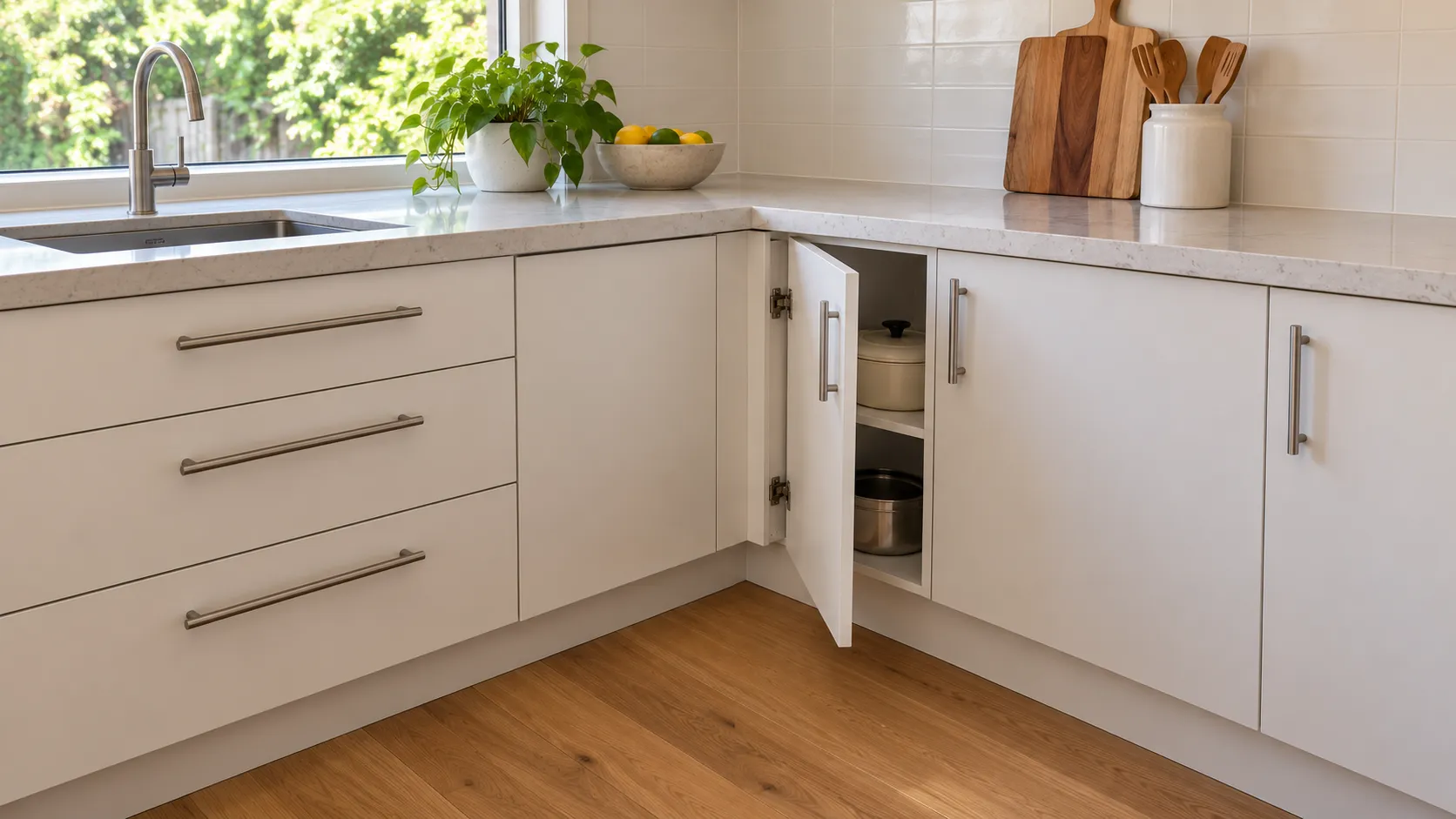
Ask the designer to check door swings and drawer extensions together, where cabinetry meets at right angles or a handle sits close to the end of a cabinet run. The solution may involve changing the handle profile, adjusting its position or selecting a different opening system. These details are easier to resolve on the drawings than after installation.
Projection also matters besides walkways and areas where people stand to work. A prominent pull may feel comfortable in the hand but catch clothing or sit awkwardly against the body. Reviewing a physical sample against the proposed layout can help identify these issues before the hardware is ordered.
Balance Handle Proportions Across Different Front Sizes
Using one handle length throughout the kitchen creates repetition, but identical proportions do not always suit every cabinet front. A short pull may appear undersized on a wide drawer, while a long handle can dominate a narrow door. Choosing different lengths from the same design range can maintain a consistent style without forcing every front to use identical hardware.
Orientation and alignment also influence the result. Horizontal pulls on drawers and vertical pulls on doors are common choices, but the exact positions should follow a coordinated plan. Check how the handle lines relate across neighbouring fronts, especially where several drawer sizes sit together.
A longer pull offers more positions for the hand, which may be helpful when opening a wide drawer. However, handle length alone does not determine how smoothly a drawer operates. Suitable runners, appropriate hardware and correct installation remain important, particularly for drawers carrying heavy cookware.
Confirm the Hardware Before Cabinetry Is Made
Before approving the cabinetry, confirm the complete hardware specification rather than relying on a general description such as brushed metal pull or handleless front. The final selection should identify:
- Handle model and finish: Confirm the exact product, colour and surface treatment.
- Dimensions and placement: Check handle length, projection, grip clearance and mounting positions.
- Opening mechanism: Confirm compatibility between the handleless system, hinges, drawer runners and cabinet fronts where applicable.
- Clearances: Ensure doors and drawers can open without colliding with neighbouring fronts, walls or other hardware.
- Cost and installation: Check that the quoted hardware matches the selected products and that any installation requirements are included.
When planning a kitchen renovation budget, confirm whether the quoted price includes the selected handles or opening mechanisms. Changes made before manufacture may affect cabinet preparation, hardware compatibility and installation costs, not just the price of the visible handle.
When comparing renovation quotes, provide the same hardware specifications to each supplier so that pricing reflects your selected fittings and finishes.
Caliber Kitchens can review the selected hardware against the proposed cabinetry design so that appearance, comfort and practical clearances are considered together. Finalising these details before manufacture helps reduce avoidable changes and gives homeowners a clearer picture of how the finished kitchen will look and function.