Planning a bathroom renovation often leads to one major question: will removing the bath in favour of a spacious walk-in shower reduce the home’s resale value? Caliber Kitchens often sees this concern come up during bathroom renovations in Canberra, especially as more homeowners look for layouts that maximise space, improve accessibility and create a cleaner, lower-maintenance finish. At the same time, buyer expectations, family practicality and local property trends all influence whether removing a bath helps or hurts long-term value.
This article explains how different buyer groups view baths versus showers, when removing a bath can affect resale value and why property type, layout and local buyer expectations matter. It also covers when a luxury walk-in shower can improve appeal, when a bath is still worth keeping and what alternatives may help balance everyday lifestyle needs with future resale value.
Will Removing the Bath Affect Resale Value?
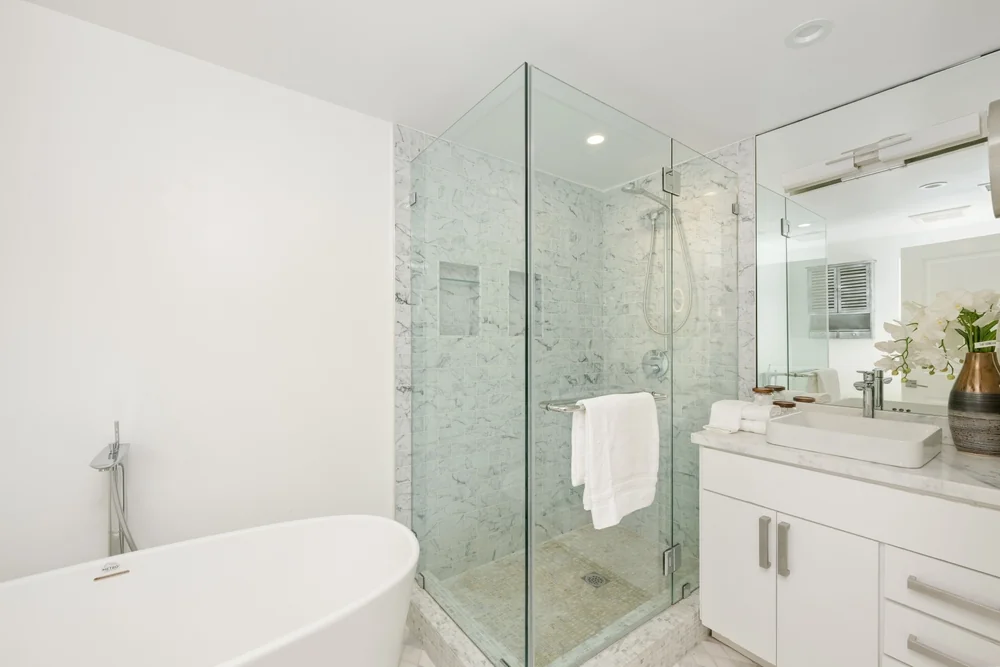
Removing a bath can make a bathroom feel more spacious, modern and practical, especially when replacing it with a generous walk-in shower. However, the impact on resale value depends on the property type, the number of bathrooms and the likely buyer profile.
The biggest risk comes from removing the only bath in the home. Some buyers still see a bath as essential, particularly families with young children or buyers planning to start a family. If there is no other bath elsewhere in the property, the home may appeal to a narrower group of buyers.
In contrast, converting a second bathroom, ensuite or smaller secondary bathroom into a shower-only space is usually less risky. If the home still has one proper bath elsewhere, a larger walk-in shower can often be seen as a practical and stylish upgrade.
How Buyers View Homes Without a Bath
Many buyers still expect at least one bath in a home. Families with young children often rely on a bath for daily routines, while some adults value a bath for relaxation, pets, injuries or future family needs. For these buyers, a home without any bath can feel less practical, even if the bathroom has been renovated to a high standard.
In a one-bathroom home, replacing the only bath with a shower can reduce the pool of interested buyers. Some buyers may use the absence of a bath to negotiate the price down, while others may rule out the property before arranging an inspection.
Homes with two or more bathrooms offer more flexibility. If the main family bathroom retains a bath and another bathroom is upgraded with a spacious walk-in shower, many buyers see the layout as convenient, modern and well balanced.
Property Type and Local Market Expectations
The effect on resale value is closely linked to the style, size and location of the property. In suburban family areas and larger homes, buyers are more likely to expect at least one bathroom with a bath. Removing every bath in this context can reduce buyer interest and may make the home less competitive against similar properties.
In apartments, townhouses or smaller properties aimed at professionals, investors or downsizers, a large walk-in shower may be more appealing than a compact bath. A well-designed shower room with quality fixtures, slip-resistant flooring, good storage and a clean layout can make a small bathroom feel more functional and up to date.
Local market expectations matter. In family-focused neighbourhoods, a missing bath may be seen as a drawback. In developments aimed at older buyers, busy professionals or low-maintenance living, a sleek shower-only bathroom may be viewed as a positive feature.
Why Homeowners Consider Removing the Bath
Removing a traditional bathtub and replacing it with a shower-only layout has become a common consideration in modern bathroom renovations. Homeowners usually make this decision for practical reasons, especially when the current bathroom feels cramped, difficult to clean or no longer suited to the household’s lifestyle.
Understanding the motivation behind the change helps determine whether removing the bath is a sensible choice or a decision that could limit future appeal.
Gaining Space in a Small Bathroom
Many bathrooms have limited floor space, particularly in older homes. A standard inset bath can take up a large portion of the room, making the space feel tight and harder to use. Replacing the bath with a walk-in or corner shower can improve the layout by creating more open floor area.
This can help:
- Improve circulation around the vanity and toilet
- Create space for storage, such as a tall cabinet or shelving
- Make the room feel larger and brighter with a clear glass screen
This approach works well in compact bathrooms or ensuites where every centimetre matters. A spacious shower with simple screening can often make the room feel more open than a bulky bath or shower-over-bath setup.
Improving Accessibility and Safety
For older homeowners or households planning to stay in place long term, stepping over a high bath edge can become awkward or unsafe. Wet surfaces, limited balance and high bath sides can increase the risk of slips and falls.
Replacing a bath with a low-profile shower tray, flush walk-in shower or wet room-style layout can improve access and safety. Grab rails, folding seats, handheld shower heads and non-slip tiles can also be integrated more easily into a shower layout than around a bath.
This can be a strong reason to remove a bath in homes suited to downsizers, retirees or people with mobility concerns.
Aligning With Modern Lifestyles
Many households use showers far more often than baths. In busy homes, the bath may only be used occasionally, if at all. This can make a large tub feel like wasted space, particularly when the bathroom itself is small.
Removing the bath can allow room for:
- A larger rain shower or dual shower outlet
- A cleaner, more contemporary design
- Easier cleaning with fewer ledges and awkward corners
- Better storage or improved movement within the room
Minimalist, hotel-style bathrooms with generous walk-in showers continue to appeal to many homeowners. However, design trends should still be weighed against the long-term expectations of future buyers.
When Removing the Bath Could Be a Problem for Resale
Removing a bath can create resistance from buyers when the property is expected to suit families or when there is no alternative bathing option in the home. In these cases, a shower-only layout may look stylish but still feel incomplete from a practical point of view.
The risk is highest when the renovation removes flexibility. A good bathroom should suit daily routines now while still making sense for the property’s future market.
Family-Focused Homes and First-Home Buyer Markets
In areas popular with families or first-home buyers, removing the only bath is often a poor resale decision. Many parents see a bath as necessary for babies, toddlers and young children.
In a three- or four-bedroom home, buyers usually expect at least one full bathroom with a bath. A shower-only configuration may make the home feel less family-friendly and could reduce interest from buyers who otherwise would have been a strong match.
Even in smaller townhouses, the absence of a bath can be a sticking point if the property is likely to appeal to couples planning a family. Removing the bath may narrow the audience to investors, downsizers or buyers who are willing to renovate again.
Larger and Higher-Value Properties
In larger family homes and higher price brackets, buyers are more likely to expect at least one well-designed bathroom with a bath. For some buyers, a bath is not just practical. It also contributes to a sense of comfort, relaxation and luxury.
Removing all baths in this type of property can make the home feel under-specified for its market position. If buyers need to spend more money reworking the bathroom to add a bath back in, they may factor that cost and disruption into their offer.
Homes With Only One Bathroom
The greatest resale risk appears in properties with only one bathroom. If that bathroom has only a shower, the home may automatically be ruled out by buyers who consider a bath essential.
Single-bathroom floor plans offer no flexibility. A buyer cannot bathe young children, soak after sport or injury, wash pets easily or enjoy a bath without committing to another renovation. Even if the shower is generous and well finished, some buyers will mentally add the cost of installing a bath back into the property.
When Removing the Bath Can Make Sense
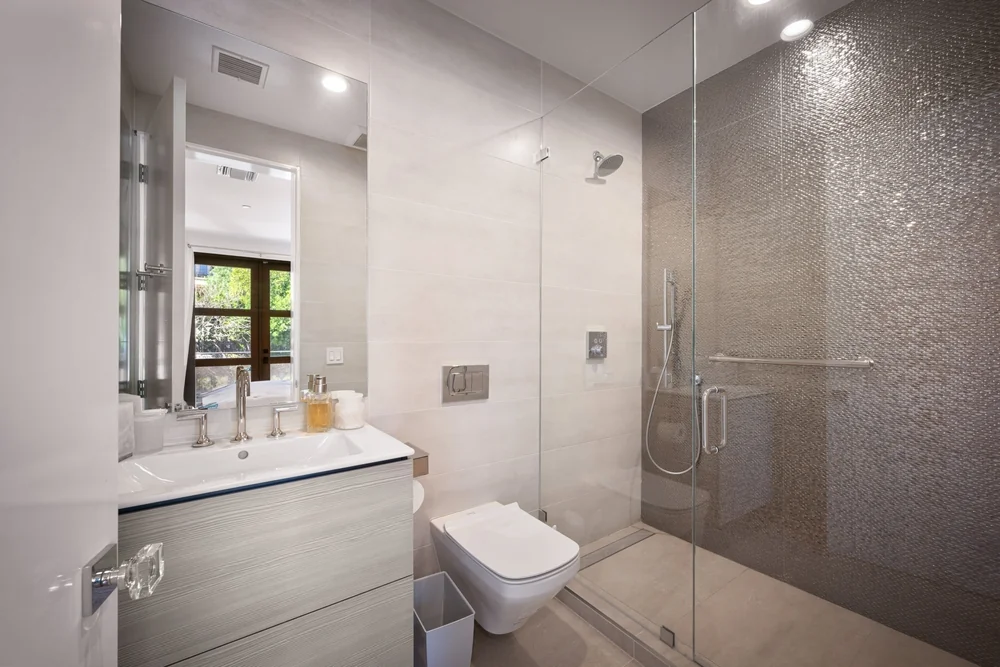
Removing a bath is not always a financial risk. In some homes, replacing a bath with a generous walk-in shower can improve liveability and make the bathroom more appealing to the right buyer group. The key is knowing when the bath is genuinely unnecessary and when a better-designed shower will add more value to the space.
Homes With Multiple Bathrooms
In a multi-bathroom home, there is more flexibility to replace one bath with a high-quality shower. Resale value is less likely to be affected if at least one proper bath remains elsewhere.
Family-friendly homes are usually expected to have at least one bath, but that bath does not necessarily need to be in the ensuite. For example, a main family bathroom may keep the bath, while the ensuite is upgraded with a larger shower, better storage and a more luxurious finish.
This layout can work well because it gives buyers both options: a practical bath for family use and a more comfortable shower for everyday routines.
Downsizer and Accessibility-Focused Properties
For homes aimed at downsizers or older buyers, practicality and safety can outweigh the traditional expectation of a bath. A level-entry shower with a wide opening, easy-to-use controls and room for a seat or grab rails may be far more appealing than a difficult-to-access bathtub.
In apartments, villas or single-level homes commonly bought by retirees, converting the only bathing space to an accessible shower can make sense if the local market supports it. The new shower should feel intentional, comfortable and well designed rather than simply like a bath has been removed.
For these buyers, being able to shower safely without climbing in and out of a tub can be a major selling point.
Options If You Want More Space but Still Need a Bath
Many homeowners want a larger walk-in shower but still worry about losing the practicality and resale appeal of a bath. In some cases, it is possible to improve the layout without removing the bath altogether.
The best solution depends on the room size, plumbing position and how the bathroom is likely to be used.
Choose a Compact or Shorter Bath
A full-size bath often measures around 1700 to 1800 mm long. Swapping it for a shorter model can free up space while still preserving a proper bathing option.
Compact baths are available in shorter lengths and deeper profiles, allowing users to sit and soak without taking up as much floor area. Corner baths or offset designs may also help create a better layout by using awkward corners more effectively.
This option can work well in family homes where a bath is still needed, but the current layout feels cramped.
Install a Shower Bath
A shower bath combines bathing and showering within one footprint. It is often the most practical compromise in a smaller bathroom where removing the bath completely would be risky for resale.
Modern shower baths can feel far more refined than older versions. Many include a wider section at one end to provide more room when showering, along with a fixed glass screen for a cleaner finish.
To make this option more appealing:
- Choose a sturdy bath material that feels solid underfoot
- Use a clear glass screen instead of a curtain
- Include a quality shower set with good water pressure
- Consider non-slip surfaces for safer use
This can be a strong option in three-bedroom homes where buyers expect a bath but still want a practical showering area.
Add a Secondary or Flexible Bathing Option
In very tight bathrooms, a full tub may not be realistic. However, there may still be ways to keep some form of bathing provision.
Deep soaking tubs or Japanese-style baths use a smaller footprint while still providing a proper bathing experience. In some family homes, a large shower area with a handheld shower head may also make it easier to wash children or pets, even without a traditional bath.
These options will not suit every buyer, but they can help balance space, function and future appeal when a standard bath is not practical.
Final Questions to Ask Before Removing the Bath
Before removing a bath, it is worth looking beyond personal preference. A bath can be more than a design feature. In some homes, it is part of what buyers expect from a practical, family-friendly layout.
A few questions can help clarify whether a bath-to-shower conversion is a smart upgrade or a decision that could create objections later.
Is There at Least One Other Bath?
If the home will still have another bath, the risk is usually lower. Converting a secondary bathroom or ensuite into a shower-only space can improve comfort without removing an important family feature.
If the bath being removed is the only one in the property, the decision needs more caution. This is especially true in family homes, larger properties and areas where buyers are likely to expect a bath.
Who Is the Most Likely Future Buyer?
The ideal bathroom layout depends heavily on who is most likely to buy the property in the future.
Family buyers and first-home buyers often value a bath for young children and daily routines. Downsizers and older buyers may prefer a safer, more accessible walk-in shower. Young professionals and investors may prioritise a modern look, easy cleaning and efficient use of space.
The best decision is the one that suits both the current homeowner and the property’s likely future market.
Removing a bath is rarely just a design preference. It can influence buyer appeal, functionality and resale performance depending on the property type, number of bathrooms and local market expectations.
As a general rule, removing the only bath in a family-friendly home carries the most resale risk. Replacing a bath in a secondary bathroom or ensuite is usually safer, especially if another bath remains elsewhere. The most successful bathroom renovations balance lifestyle needs with long-term market appeal, creating a space that works well now without limiting future buyer interest.